
From Uprising to Unfinished Business
myrepublica.nagariknetwork.com · Wed Sep 09 00:16:31 GMT 2026
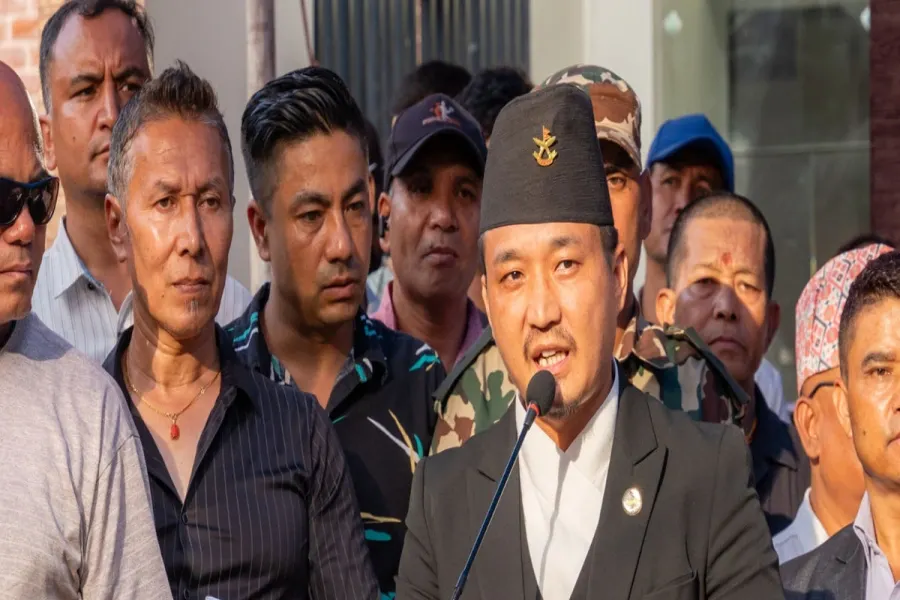
A year after the Gen Z movement, Nepal’s political landscape has changed dramatically, but many of the improvements young people demanded have yet to be fully realized. The demonstrations began on September 8 last year, when the government shut down social media services. That decision lit the spark, but the anger had been building for years. Unemployment, corruption, favouritism, political privilege and the perception that the government had little concern for ordinary citizens all contributed to the unrest. What followed exceeded almost everyone’s expectations. On September 8, police opened fire on protesters, killing 20 people. The death toll later rose to 77, while more than 2,000 others were injured. The following day, government offices, Parliament, Singha Durbar and properties linked to political leaders were attacked and set ablaze. KP Sharma Oli’s government collapsed, Parliament was dissolved, and an interim administration led by former Chief Justice Sushila Karki was formed, with elections scheduled for March 5. The Rastriya Swatantra Party went on to secure an almost two-thirds majority. The events marked a major political shift in Nepal. Yet removing a government is far easier than reforming the institutions that keep the state functioning. The caretaker administration responded by declaring 45 people martyrs, while the families of 53 victims received Rs 1.5 million each in compensation. These were positive steps. However, major corruption investigations, institutional reforms, greater accountability, constitutional amendments and electoral reforms have yet to make significant progress.
Read full story at source (myrepublica.nagariknetwork.com)