
The Himalayan Cost of Global Prosperity
myrepublica.nagariknetwork.com · Tue Sep 15 00:10:45 GMT 2026
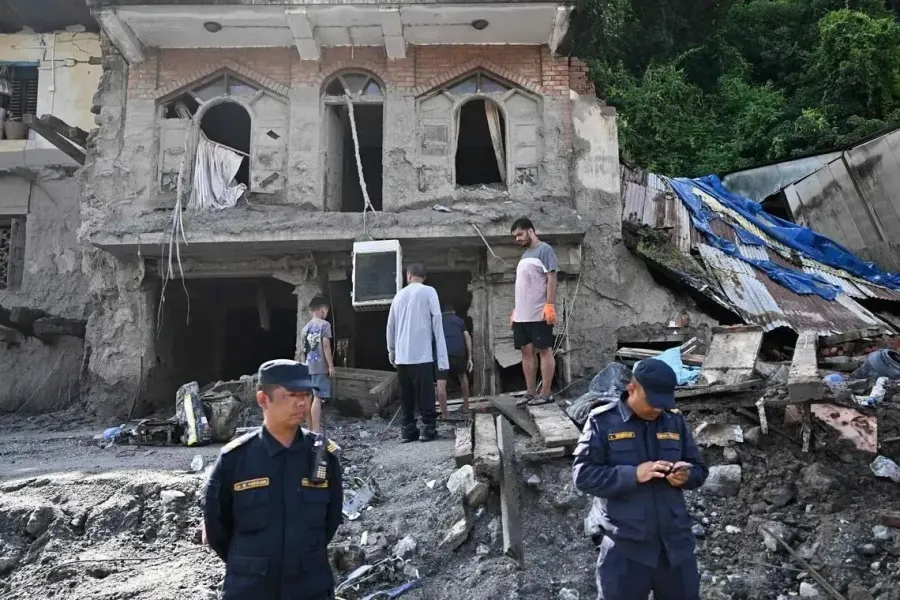
Prime Minister Balendra Shah is preparing to travel to New York to participate in the 81st Session of the United Nations General Assembly. Barring any unforeseen circumstances, his participation is certain, and the Ministry of Foreign Affairs has already begun preparations. The visit comes in the aftermath of the devastation caused by the recent Bhotekoshi flood, a disaster widely linked to the growing impacts of climate change. For that reason, the Prime Minister’s visit should not be limited to a routine diplomatic engagement at the United Nations. The devastation caused by the Bhotekoshi flood and the humanitarian crisis that has followed have attracted the attention of the media around the world. It is against this backdrop that Prime Minister Shah will attend the General Assembly. His voice and his presentation at this global forum could carry considerable weight. The catastrophic flood that struck the Bhotekoshi corridor on August 26 has once again reminded Nepal—and the world—that climate change is no longer a threat confined to the future. It is a harsh reality of the present. The flood has caused enormous loss of life and property. Homes, roads, bridges, hydropower projects, commercial facilities, and local infrastructure have been destroyed. Yet the true scale of the disaster cannot be measured by physical damage alone. The cost of displacement, lost livelihoods, disrupted businesses, psychological trauma, and uncertainty about the future is likely to be far greater. For this reason, neither Nepal nor the international community can afford to dismiss the Bhotekoshi disaster as simply another natural calamity. This time, Nepal must put a fundamental question before the world’s most powerful nations: Why is Nepal, a country that has contributed so little to the climate crisis, being forced to pay such a devastating price for it?