
AI Designs Novel Viruses Capable of Self-Replication in Lab
english.ratopati.com · Fri Aug 07 04:28:55 GMT 2026
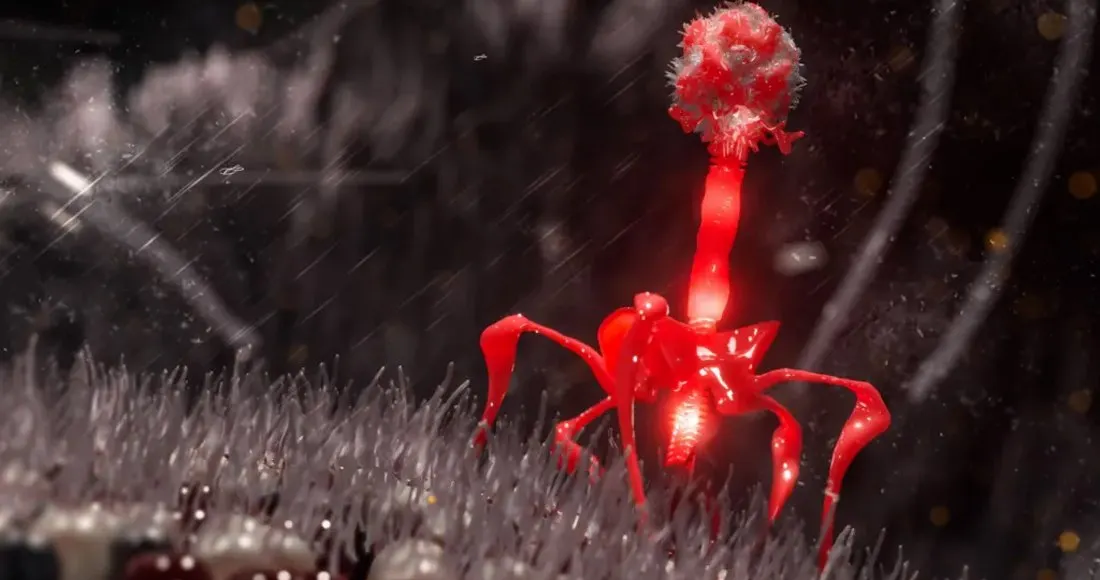
New York. According to American researchers, Artificial Intelligence (AI) has been used to create new viruses that are fully active in the laboratory and capable of self-replication. The entire genome was successfully designed by AI for the first time. The 16 new viruses created in this way are designed to infect only bacteria. These viruses do not affect humans. This achievement is considered a 'very important turning point' in the field of science. It can usher in a new era in disease treatment. However, experts have warned that AI-designed viruses can also pose serious security challenges. AI technology is advancing rapidly, and it has already been used to create new antibiotics. But creating a new and active virus from scratch was much easier than that task. Stanford University Assistant Professor Brian Hi said, 'This is another step in the complexity that can be designed by generative AI. For the first time, an entire genome has been designed using generative AI. It is capable of self-replication within cells and performing other functions... this was a new area for us.' This technology works similarly to large language models like ChatGPT. ChatGPT predicts words. However, in this case, AI models called Evo1 and Evo2 predict the language of life instead of words. These AI models were trained on the genetic codes of viruses, bacteria, plants, and humans. They were then further refined to produce viruses called 'bacteriophages' that infect only specific types of bacteria. Stanford researchers selected the best 302 AI designs and tested them in the laboratory. Of these, 16 designs proved effective in killing E. coli bacteria. According to doctoral student Samuel King, they discovered early in the morning that the phages were working. The scientists placed the phages in a petri dish where the bacteria were growing. They were then waiting for signs that the new viruses were consuming the bacteria. 'We started seeing those clear spots, and it was very exciting,' King says. Hi recalls that when the results were announced to the entire team, 'applause spontaneously erupted in the room.' The development of new phages could lead to new ways to treat infections that antibiotics can no longer touch. However, this achievement indicates that AI is also capable of designing new biology outside the natural world. This is called synthetic biology. Hi argues that it has the potential to 'significantly improve human health' by developing new drugs and treatment methods. However, concerns have been raised that this technology could be misused to create new diseases. In a commentary accompanying the article published in the journal Science, Dr. Thomas Inglesby and Dr. Moritz Hancke from the Johns Hopkins Center for Health Security wrote. In their commentary, they stated that these research results raise 'urgent biosecurity questions.' The question is no longer 'whether generative viral genome design is possible,' they said. Rather, the main issue is whether it can be used without causing 'serious harm.' For example, they clarified that research that could lead to the creation of disease-causing viruses should not be pursued. The researchers themselves took steps to prioritize safety. They removed viruses capable of infecting complex organisms from the training database. Research was focused only on phages instead of human-affecting viruses, and all this work was done within a secure laboratory. Hi argues that existing safety measures alone will greatly help ensure the proper use of this technology.
From Computer Bits to Molecules
Read full story at source (english.ratopati.com)