
Confederation of Nepalese Industries Chairman Calls for Prioritizing Automobile and Mobility Sector
english.ratopati.com · Tue Aug 11 05:30:22 GMT 2026
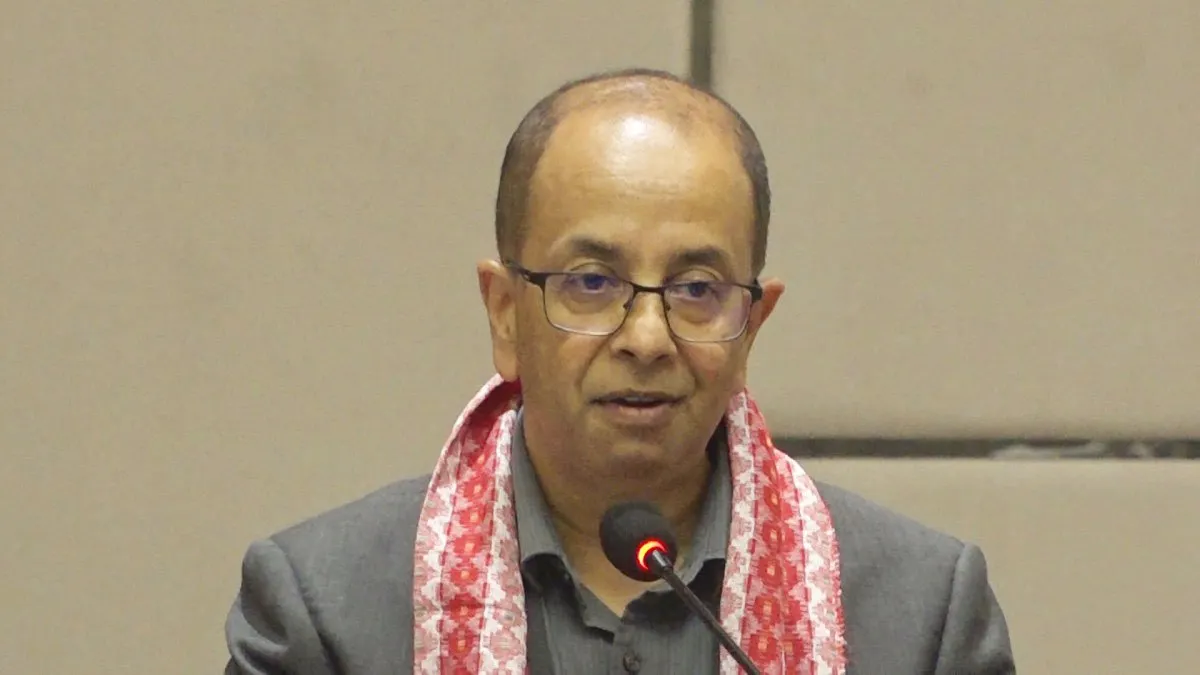
Kathmandu. Confederation of Nepalese Industries Chairman Birendra Raj Pandey has stated that the government should give high priority to the automobile and mobility sector to make the country's economy dynamic. He expressed this view while addressing the inaugural ceremony of the 'Naima Mobility Expo 2026' which began on Tuesday. According to Chairman Pandey, Nepal's automobile sector is an important platform connecting industry, business, technology, and consumers. He expressed confidence that such exhibitions provide information about new technologies in the market and highlight future possibilities. He pointed out that the country's economy has not been progressing as expected for the past few years, and the impact of recession has affected the private sector, government revenue, employment, and production. He stated that the automobile sector is a major contributor to revenue and is directly linked with sectors such as construction, infrastructure, energy, financial services, and tourism, making it particularly important. Pandey emphasized the need to significantly increase capital expenditure to achieve the government's target of 7 percent economic growth for the current fiscal year. He pointed out the possibility of creating quality employment within the country by expanding investment in the sectors of industry, infrastructure, information technology, and green energy to prevent the migration of young manpower. For this, the private sector demands a stable government, policy stability, legal reforms, and the creation of an investment-friendly environment. Speaking about the current state of the economy, he said, 'Nepal's economy has not been progressing as expected for the past few years.' He added, 'The impact of the economic recession has affected the private sector as well as government revenue, employment, production, trade, and overall economic activities.' Clarifying the role of the automobile sector, he said, 'This sector is capable of contributing significant revenue to the government and creating large-scale employment.' He stated that 'it is directly connected with sectors such as construction, infrastructure, energy, financial services, insurance, tourism, and transportation,' and expressed that the positive activities seen in this sector recently are welcome. Speaking about economic growth, he said, 'To achieve the 7 percent economic growth target set by the government for the current fiscal year, it is necessary to significantly increase capital expenditure.' He mentioned that 'increasing capital expenditure will accelerate the development of roads, bridges, energy, transportation, and urban infrastructure,' and that this will have a positive impact on other sectors of the economy. Therefore, the Confederation's clear stance is that the government should give high priority to the automobile and mobility sector. Discussing the importance of the expo, he expressed confidence that 'automobile expos are not just a means of promoting trade, but they also help in increasing consumer confidence, bringing in new technologies, promoting electric and green mobility, and making the economy dynamic.' Speaking about youth migration and investment, he said, 'Although Nepal's greatest strength is its young manpower, thousands of youths are forced to go abroad every year.' He pointed out that 'by expanding investment in the sectors of industry, infrastructure, information technology, green energy, tourism, agro-processing, and mobility, it is possible to create quality employment for a large number of people within the country.' He stated that it is necessary to increase sustainable investment in infrastructure and manufacturing sectors and to encourage the expansion of the private sector and industrialization, as this will strengthen the foundation for Nepal's long-term economic transformation and prosperity.
Read full story at source (english.ratopati.com)