
Rethinking Socialism in Nepal: A New Paradigm for the 21st Century
english.ratopati.com · Wed Aug 12 06:03:36 GMT 2026
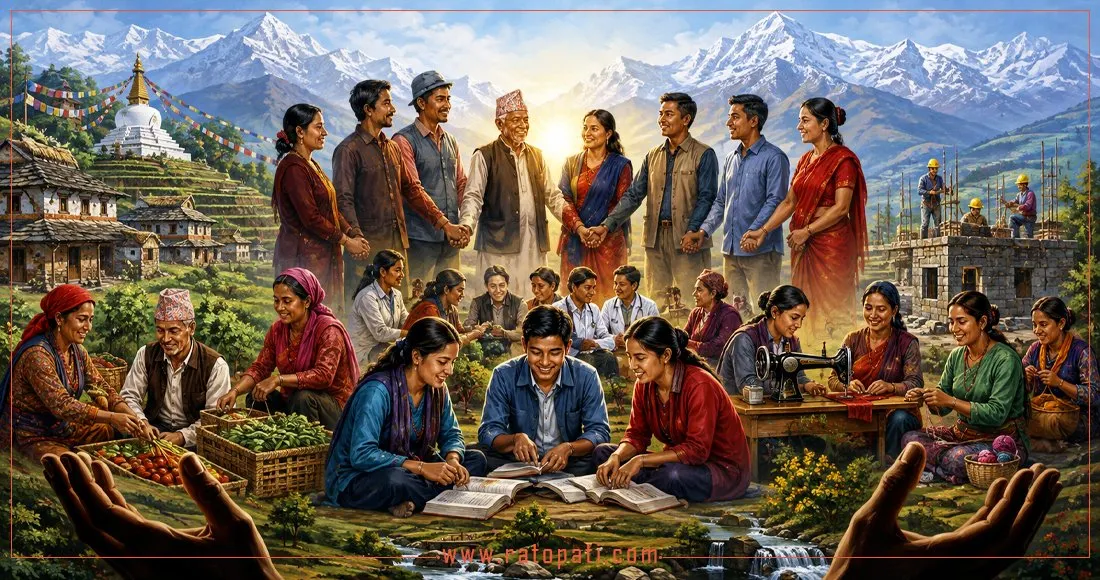
The concept of building socialism in Nepal cannot be confined to political philosophy discussions anymore. We have read and understood the theories of socialism propounded by various philosophers like Marx. The constitution has also expressed commitment to a socialist-oriented economy in its political manifesto. However, how much have Nepali citizens experienced the socialism we have read and understood in their daily lives? So far, certainly not. If socialism does not provide social justice to citizens, fails to provide employment, cannot give farmers a fair market for their produce, cannot show youth a future in the country, cannot ensure equal opportunities in education and health, cannot control corruption and middlemen, and cannot increase citizens' trust in the state, then socialism remains merely a slogan. The dream is big, but the achievement is nil. Therefore, a new debate on socialism is now necessary in Nepal. This debate should not reject old theories; rather, it should start a debate to create a unique model of Nepali socialism that can be implemented in practice by connecting it with Nepal's current economic, social, political, and cultural realities. The socialism of today cannot be the old centralized model where the state controls all sectors of the economy, nor can it be uncontrolled capitalism where the state shuns its social responsibilities by leaving the market completely free! Nepal's socialism must at least be able to balance democracy, social security, justice, production growth, private enterprise, cooperatives, community participation, and a capable state for the citizens. The core principle of the socialism we seek should be simple – if there is growth in production, justice in distribution, equality in opportunity, good governance in administration, and democracy in politics, then the first step of socialism is complete. Nepali Definition of Socialism Defining socialism in the 21st century merely on the basis of state ownership or redistribution of property is not enough. People must be at the center of Nepali socialism. Social justice, human dignity, and the standard of living of citizens should be its main criteria. Nepali socialism is a democratic social system that reduces exploitation, inequality, and deprivation between people, ensuring freedom, equal opportunity, social justice, human dignity, and collective well-being for every citizen. This definition considers the individual and society not as opponents, but as complementary. It encourages individual creativity, labor, enterprise, and talent. However, it does not allow the wealth and opportunities generated from it to be concentrated only in a few classes. Therefore, the question of Nepali socialism is not
Read full story at source (english.ratopati.com)