The general election of Falgun 21 completely changed the decades-old balance of traditional political power.Balendra Shah (Balen), who resigned from the post of Mayor of Kathmandu and entered the election, proved his influence in national politics by winning from Jhapa–5 with a huge margin. At the age of just 35, Balen Shah became the Prime Minister, making him the youngest executive head in Nepal’s history. The government formed under his leadership prioritized good governance, technology-friendly administration, and anti-corruption efforts.
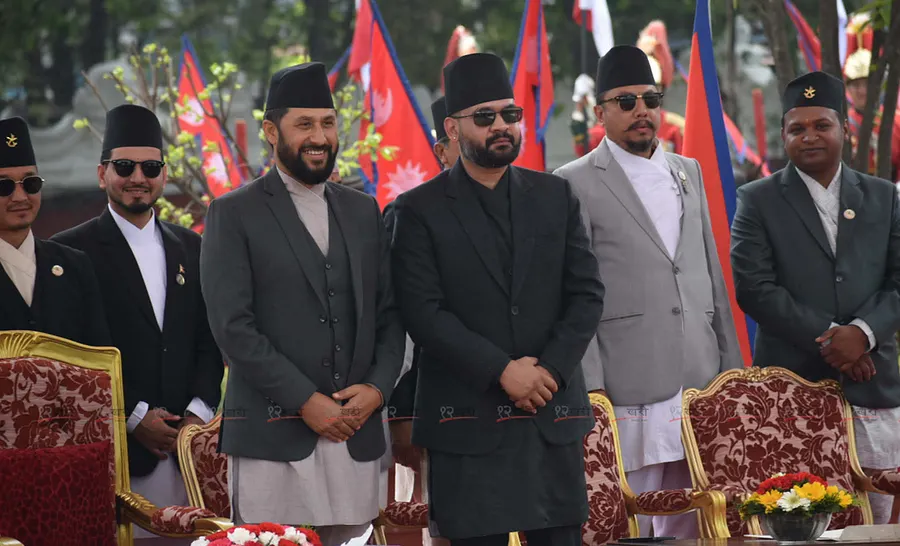
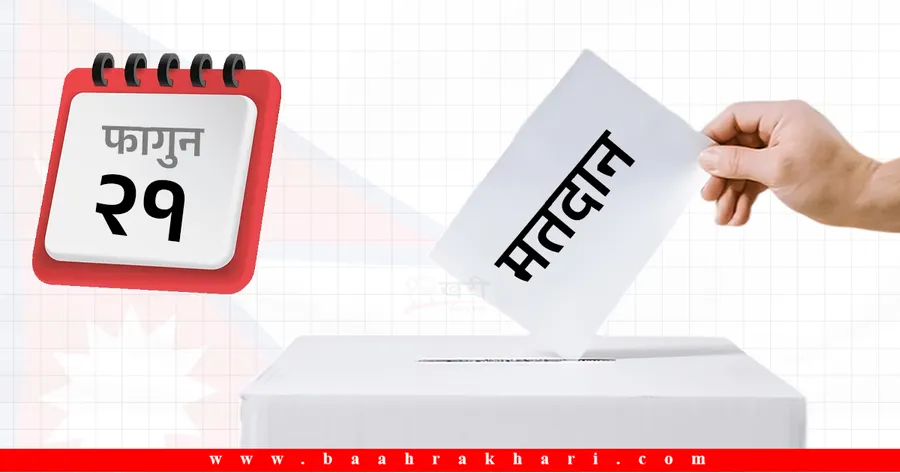
According to the mandate of Prime Minister Sushila Karki’s interim government, the House of Representatives election was held nationwide in a single phase on Falgun 21. Due to the enthusiasm of the youth, a record-high voter turnout of around 78% was achieved.
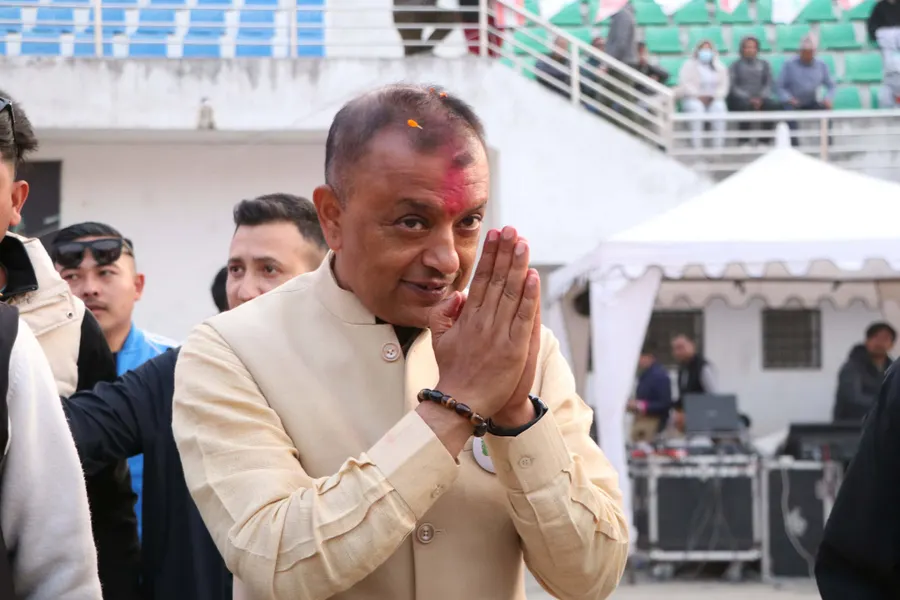
A special convention, convened in accordance with the party statute with the signatures of 54 percent of the general convention representatives, elected Gagan Thapa as the party president. The four-day convention decided to transfer the leadership of the Congress to the younger generation. On one side, the RSP-Balen alliance, and on the other, a renewed Congress under the leadership of Gagan Thapa entered the मैदान (political arena). As a result, the 2082 elections turned into an interesting contest between traditional power forces and young leaders carrying new ideas.
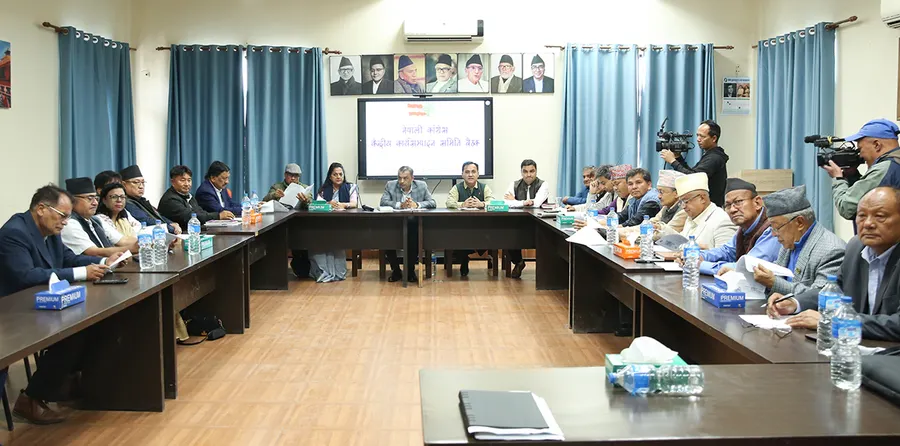
After the “Gen-Z” uprising and the Prime Minister’s resignation, as the country moved toward elections, intense debate over leadership change began within Nepal’s oldest party, the Nepali Congress. In particular, the general secretaries raised demands to restructure the party itself in order to address the concerns of the younger generation’s rebellion.As youths continued to sound the call for change on the streets, and the RSP - Balen alliance posed a new challenge, this internal conflict within the Congress pushed the party into a defensive position.
At a time when the country had entered an election phase following the youth uprising in Bhadau and the dissolution of the House of Representatives, Kathmandu’s popular mayor Balen Shah surprised everyone by resigning. He submitted his resignation to Deputy Mayor Sunita Dangol and decided to step down from local leadership to enter the arena of national politics.
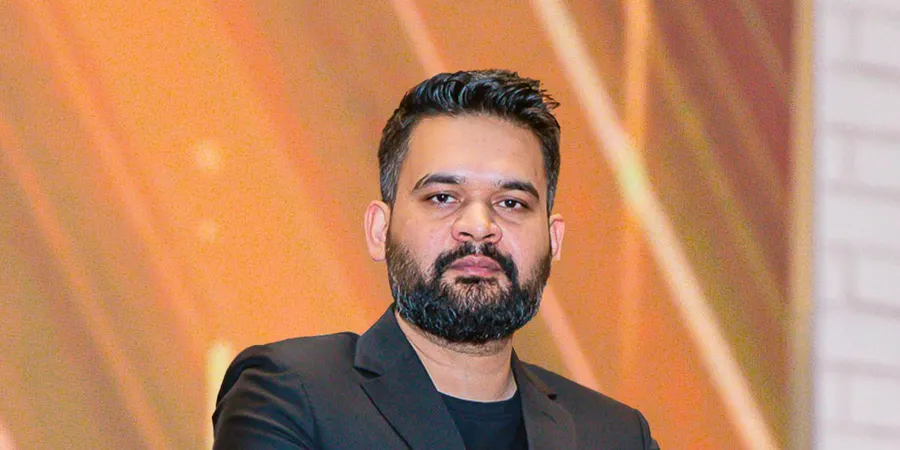
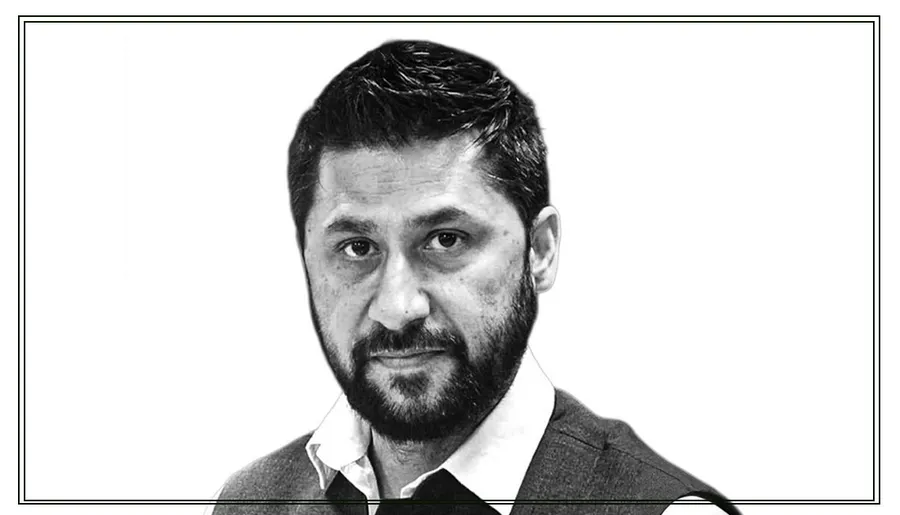
On Sunday, Poush 13, 2082, Nepal’s politics witnessed a day of mega-polarization. To institutionalize the wave of change created by the Gen-Z uprising, a broad political unity agreement was reached between the President of the Rastriya Swatantra Party, Rabi Lamichhane, and Balen Shah (Balen), who rose to prominence from independent politics. With the combination of RASWPA’s organizational strength and Balen’s popularity, it appeared certain that the results of the Falgun 21 election would favor the youth.
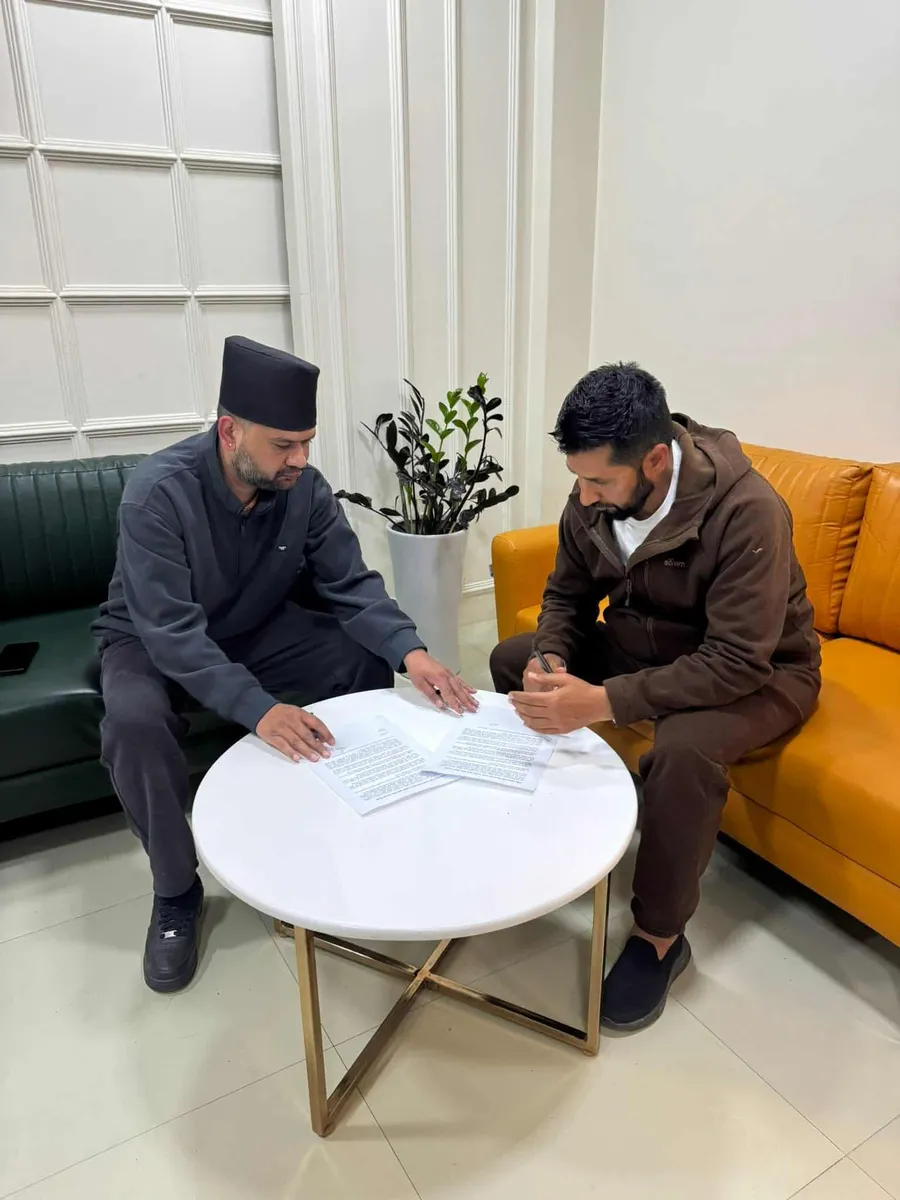
That historic uprising in the month of Bhadau completely reshaped Nepal’s political landscape. Following the demands of the Gen-Z generation, newly appointed interim election government leader Prime Minister Sushila Karki immediately took bold steps toward fundamental reforms. The date for the election was set for Falgun 21.
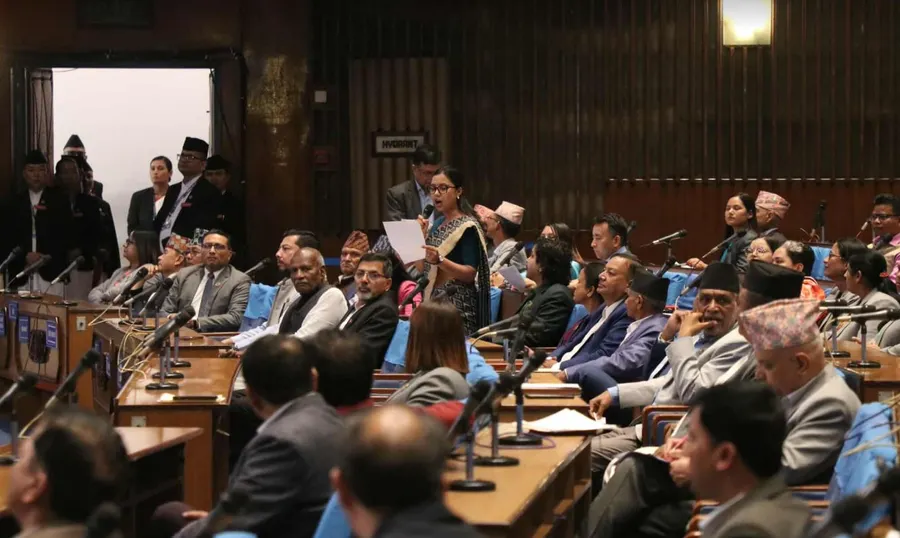
After a severe youth uprising and political upheaval, the country found a new way forward. Based on the demands of the protesting Gen- Z generation and a cross-party consensus, President Ramchandra Paudel appointed former Chief Justice Sushila Karki as the Prime Minister of Nepal.
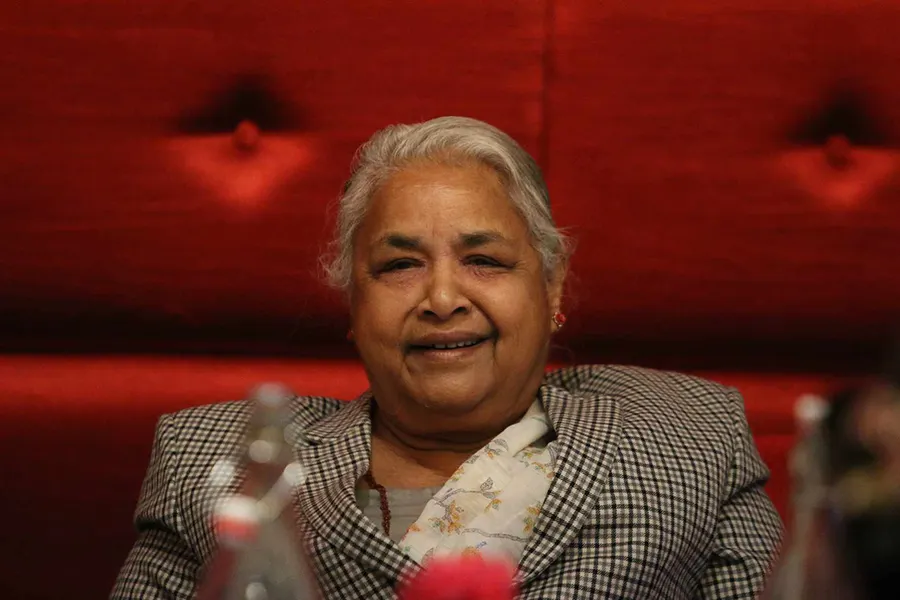
As the situation in the country became increasingly serious, a trilateral dialogue was held between President Ramchandra Paudel, Chief of Army Staff Ashokraj Sigdel, and former Chief Justice Sushila Karki to seek a way out. According to a senior source in the Nepali Army, the discussion was organized to address the constitutional and security crisis that had emerged at the time. The protesting Gen-Z group had put forward former Chief Justice Karki as their representative. After the Mayor of Kathmandu, Balen Shah, and the protest groups insisted on Karki’s name as a fair and fearless figure, she was brought to the negotiating table.
Following the government's call for dialogue, the protesting youth used modern technology to organize their agenda. In a large virtual discussion held via Discord, more than 3,000 Gen-Z youths participated and formally documented their demands for official negotiations. These demands were prepared to be taken into formal talks with the government and the army through former Chief Justice Sushila Karki.

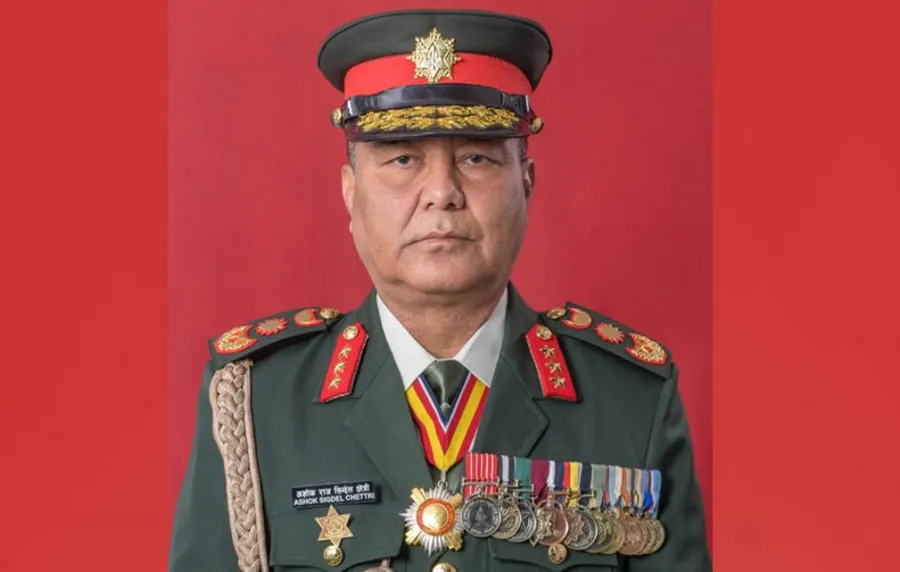
After violence and unrest escalated in the country, Chief of Army Staff Ashokraj Sigdel addressed the nation, appealing for peace and restraint. Expressing deep sorrow over the human and material losses during the protests, he called on the demonstrators to immediately suspend the movement and come to dialogue. The army began taking control of the situation from 10 PM that night.
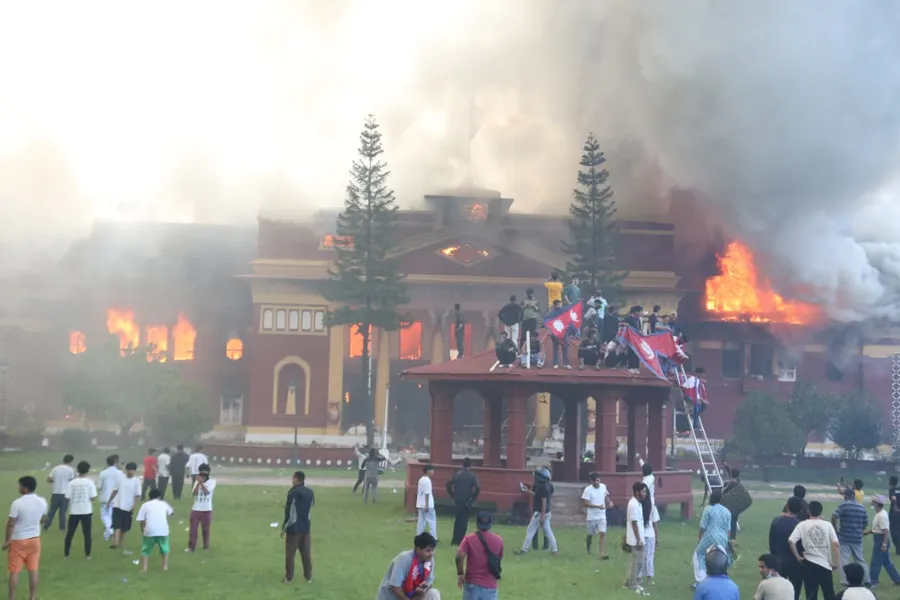
As the protest became uncontrollable, widespread vandalism and arson occurred in various areas of Kathmandu. Angry protesters entered and damaged Bhatbhateni Supermarket stores in several locations, including Naxal. Not only that, the crowd targeted police posts, government vehicles, and various government offices, setting them on fire. Police booths on the streets were burned, while documents and furniture from government offices were taken out and set ablaze in public spaces. In response to state repression, the youths expressed their anger against government and power-related structures, resulting in the capital’s main administrative areas turning into what looked like a battlefield for several hours.
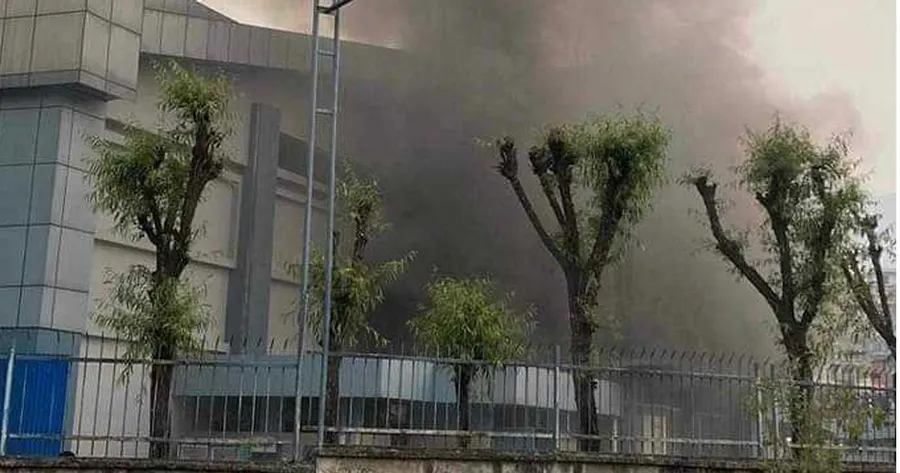
The wave of nationwide unrest had reached Nakkhu Prison in Lalitpur. A large group of protesters surrounded the prison, demanding the release of Rastriya Swatantra Party (RSP) chairman Rabi Lamichhane, who was in custody on charges of cooperative fraud. Considering the growing crowd and security challenges, and in order to prevent the situation from escalating further, the prison administration decided to release him. According to prison chief Satyaraj Joshi, Lamichhane was released on the condition of preventing further provocation and possible damage.
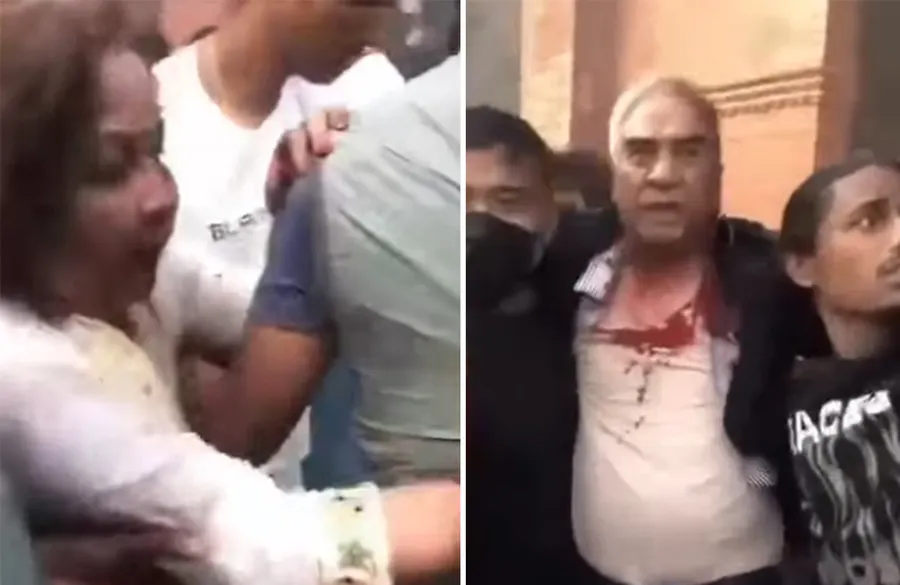
As the protest turned increasingly violent due to rising anger, a group of demonstrators entered the residence of Nepali Congress President Sher Bahadur Deuba in Budhanilkantha. During the incident, protesters reportedly assaulted former Prime Minister Deuba and his wife, Dr. Arzu Rana Deuba. The crowd of young people, already agitated by the “Nepo Baby” campaign and state repression, went out of control, breaking through the security perimeter of top leadership, which led to this unexpected physical attack.
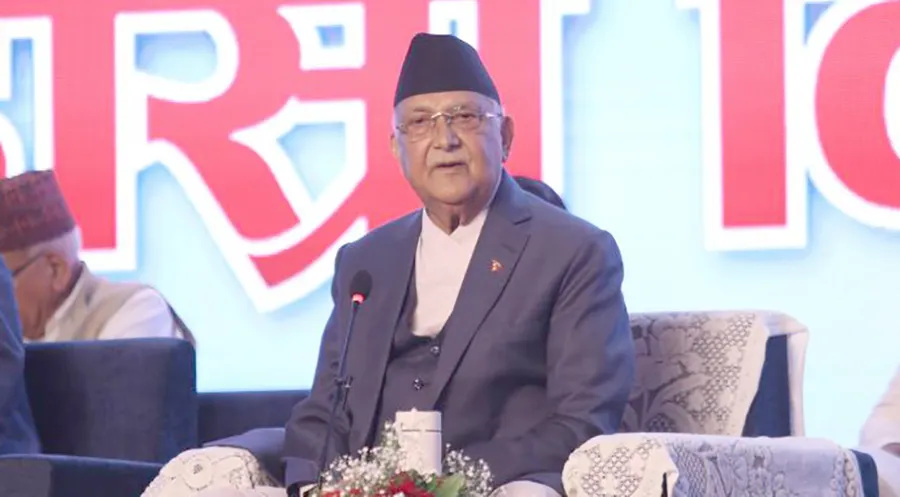
On the second day of the Gen-Z movement escalating into a violent form, Prime Minister KP Sharma Oli resigned from his position. He decided to step down after the protesters’ anger went out of control and violence spread across the country, making the situation unmanageable. Before announcing his resignation, incidents of arson and vandalism were reported in various power centers of Kathmandu. Groups of angry youths targeted sensitive areas such as leaders’ private residences, ministerial quarters, Singha Durbar, and the Parliament building. Amid the sacrifice of 19 young people and intense unrest on the streets, the Prime Minister’s resignation marked the end of that period’s governing political equation.
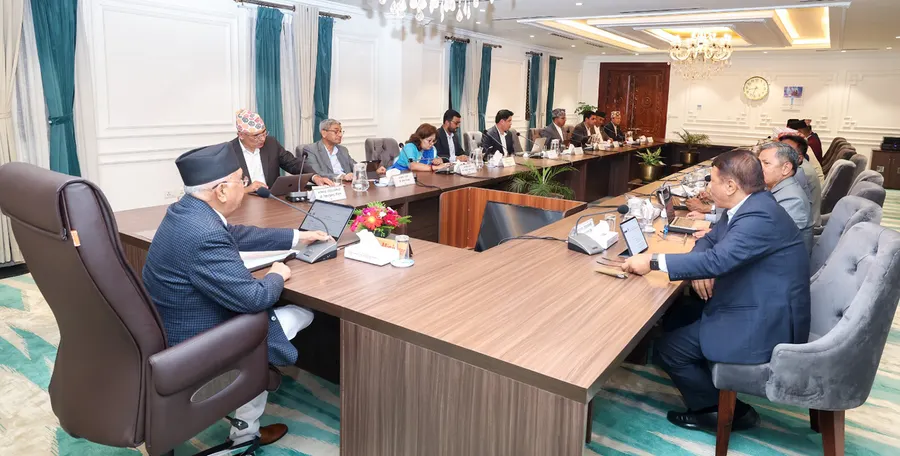
After the bloody incident of Bhadau 23, strong dissatisfaction intensified within the main coalition partner, the Nepali Congress. Following the deaths of young protesters and state repression, discussions began among Congress ministers about submitting a collective resignation, arguing that remaining in the government would be morally wrong.
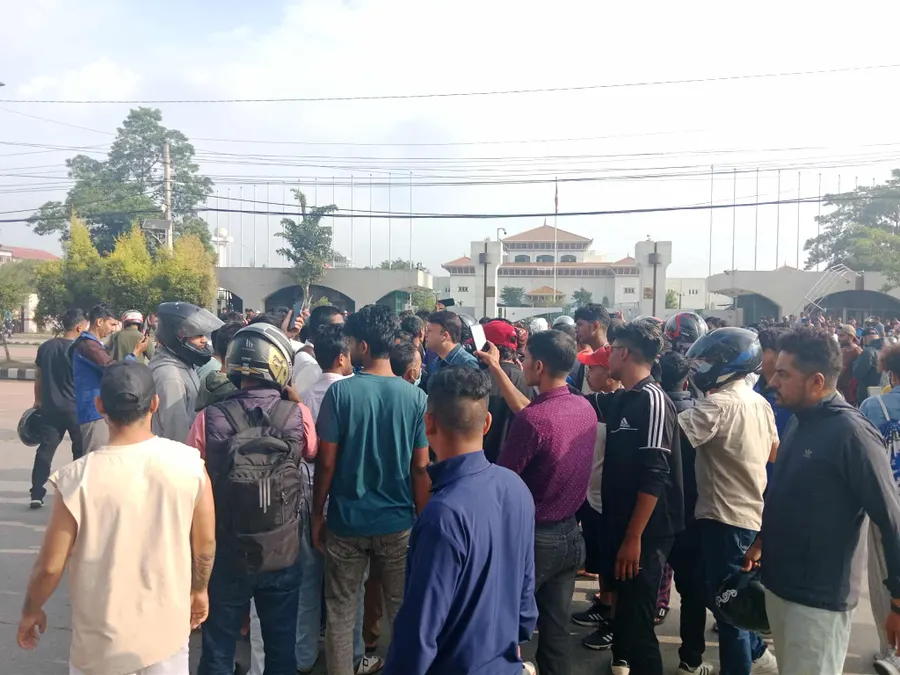
From early morning on Bhadra 24, thousands of youths from the Gen-Z generation once again gathered in front of the Parliament building in New Baneshwor. Their demands were no longer limited to “digital freedom” they had now escalated to the issue of changing the country’s leadership.
Following widespread public outrage, the government was ultimately forced to back down from its decision. In an emergency cabinet meeting held the same evening, it was decided to immediately lift the ban on 26 social media platforms that had been restricted in Nepal.Minister for Communication and Information Technology, Prithvi Subba Gurung, stated that the ban was revoked in order to “address the demands of the Gen-Z generation and prevent further undesirable situations. With this decision, the digital platforms that had been shut down through a ministerial order issued on Bhadra 19 were restored and brought back into operation.
Amid national mourning and outrage after the death toll from the Bhado 23 protests reached 19 due to police gunfire, Home Minister Ramesh Lekhak resigned from his post. Acknowledging that the movement had taken a more tragic turn than expected and that it had resulted in “irreparable loss" he submitted his resignation to Prime Minister KP Sharma Oli during an emergency cabinet meeting.
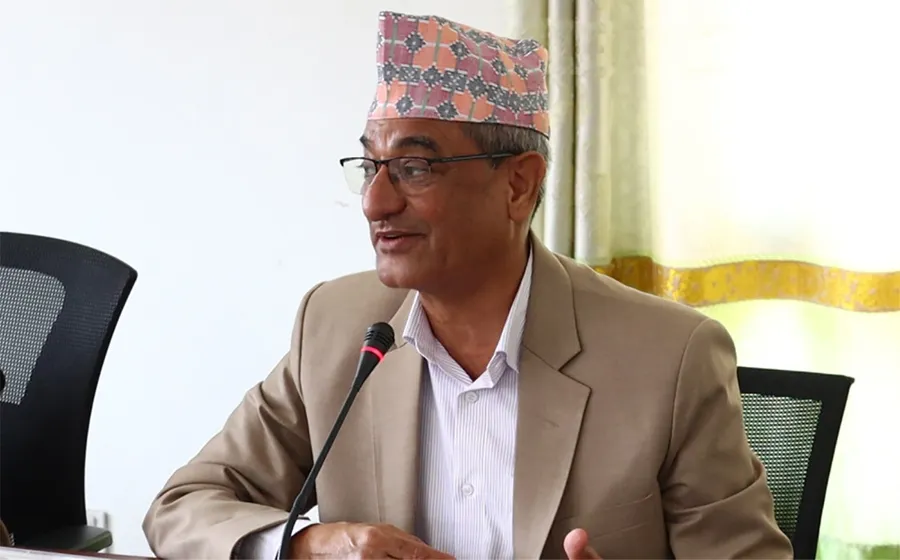
In Nepal’s history, Bhadra 23 took a tragic and violent turn due to the “Gen-Z” movement. During a fierce clash between protesters and security forces in New Baneshwor, 17 young demonstrators lost their lives after security personnel used excessive force. Some died on the spot after being shot by police at Baneshwor Chowk, while others died while being taken to hospitals.Hospitals across the capital were filled with injured youths. At the Trauma Center alone, 8 people died, followed by 3 at Civil Hospital, 3 at Everest Hospital, 2 at Kathmandu Medical College, and 1 at Teaching Hospital. The Ministry of Health was forced to implement a “Disaster Plan” in hospitals. Among the hundreds of injured youths, many remained in critical condition.
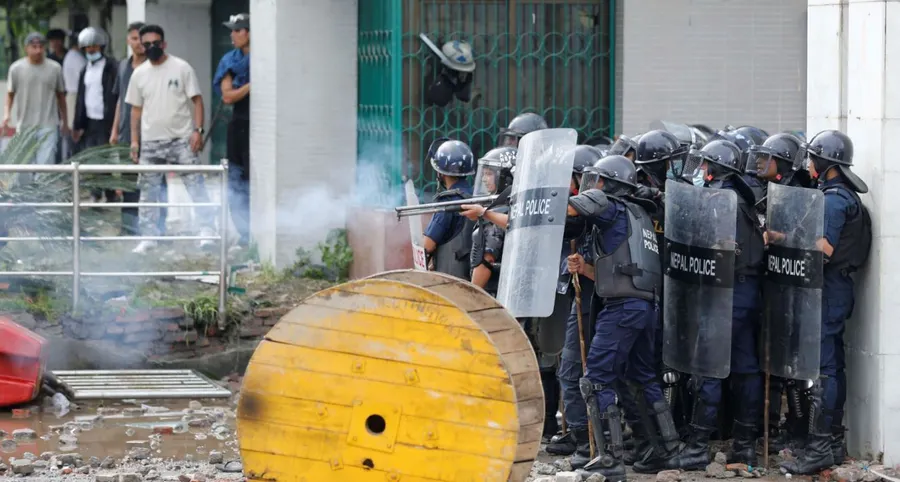
After the Gen-Z movement turned violent across the country and a situation arose requiring the imposition of curfews in major administrative areas of the capital, Prime Minister KP Sharma Oli called an emergency Cabinet meeting at Baluwatar on the evening of Bhadra 23. Before the meeting, the Prime Minister had summoned Home Minister Ramesh Lekhak and other ministers to receive a security briefing on the situation.
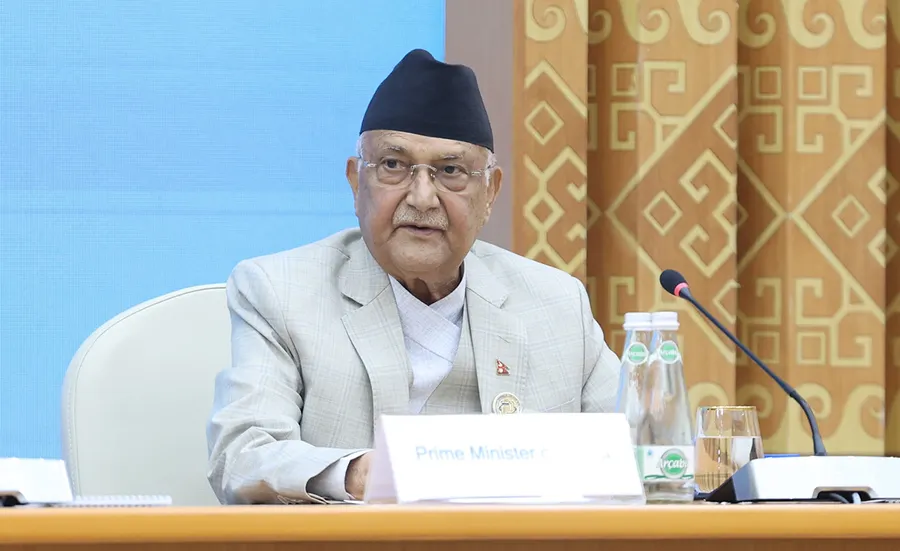
After a clash between protesters and police in New Baneshwor, the District Administration Office, Kathmandu, took strict security measures to prevent the situation from getting out of control. The curfew, initially imposed in the Baneshwor area, was expanded to include sensitive areas such as the President’s Office (Sheetal Niwas), the Vice President’s Office, Singha Durbar, and the Narayanhiti Palace Museum.
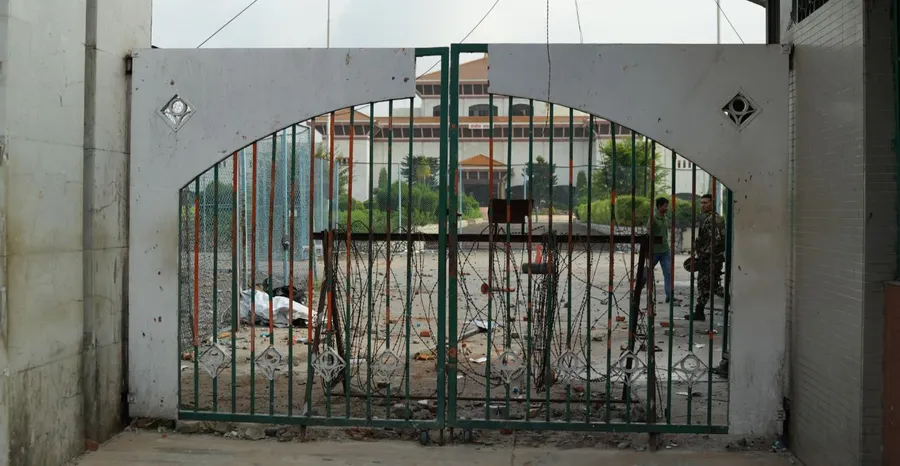
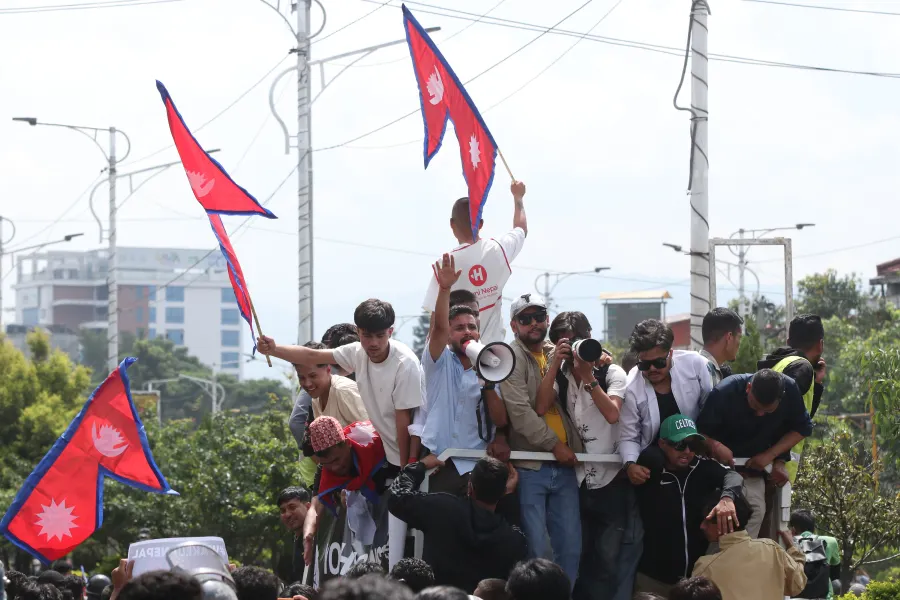
The massive Gen-Z procession that started from Maitighar Mandala reached New Baneshwar, chanting slogans such as “No Nepo Baby” and “Digital Freedom,” after which the situation became tense. A group of youths broke through police barricades and attempted to enter the restricted area of the Parliament building premises, prompting police to fire warning shots into the air to control the crowd.
What had been described as a peaceful protest turned into a clash upon reaching Baneshwar, marking one of the most dramatic and serious security challenges of the year.
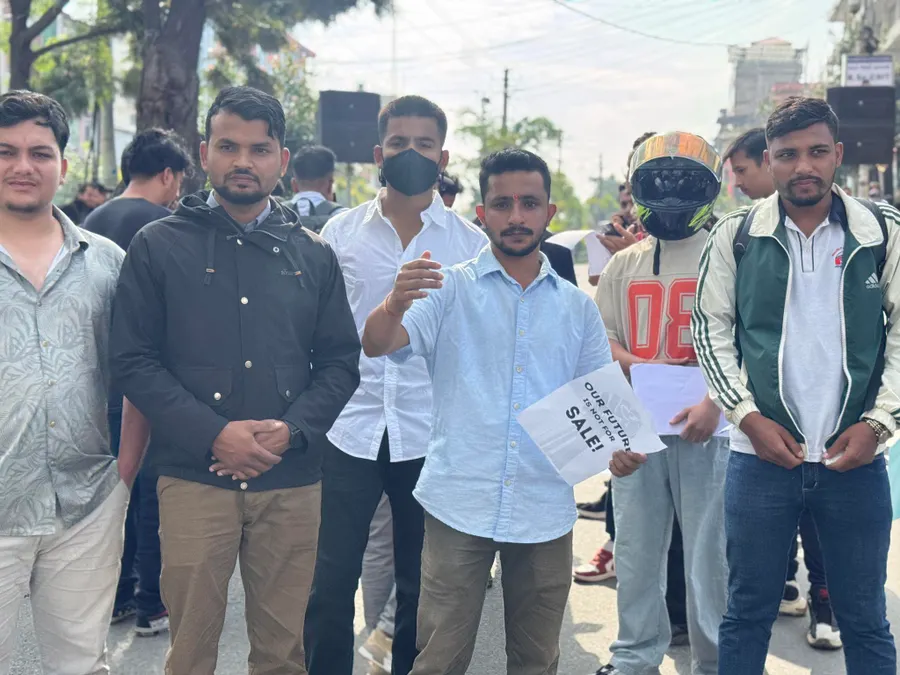
Angry young people protesting against corruption, nepotism, and the luxurious lifestyles of politicians’ children (nepo babies) gathered at Maitighar Mandala on Bhadra 23 wearing their college uniforms and carrying books.
After the government’s seven-day ultimatum issued on Bhadra 12 and the subsequent shutdown of social media, this generation viewed the move as an attack on their freedom of expression. This street presence of compelled, frustrated youth established the intervention and awareness of the new generation in Nepali politics as one of the most impactful events of the year.
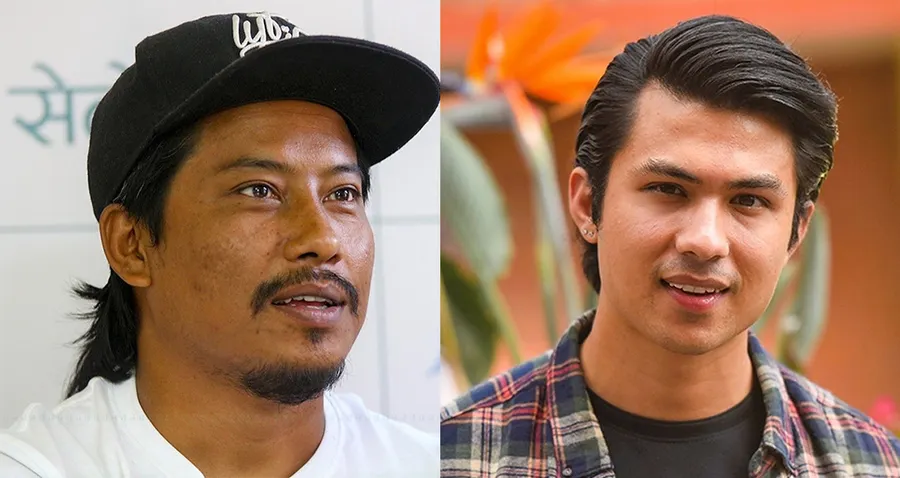
Director and actor Nischal Basnet stated that the social media ban was the main cause of public anger and announced that he himself would take to the streets. Actor Anmol KC said.No one can suppress our voice opposing the attack on freedom of expression, while actor Paul Shah urged young people to engage in peaceful protests.
Similarly, director Bishal Bhandari committed to joining the movement along with his team. Actress Keki Adhikari and director Santosh Sen, among other artists, also expressed full solidarity with this campaign against corruption and irregularities through social media.
This collective support helped establish the Gen-Z movement not just as a youth-driven protest, but as a broader national issue.
After social media was banned, the “nepo baby” campaign intensified significantly the very next day. In fact, this campaign had already been active on social media for some time, but the ban further fueled anger among Gen Z youth toward the government.
What was this campaign?
Nepo baby refers to the children of powerful and influential individuals who gain positions, wealth, or opportunities based on nepotism and access rather than merit or ability. The term gained global attention after the son of Indonesia’s president became a vice-presidential candidate, later spreading through the Philippines and eventually reaching Nepal.
In Nepal, young people used this concept to question the luxurious lifestyles of political leaders’ children and alleged misuse of taxpayers’ money. Through platforms like TikTok and Instagram, they shared images of politicians’ children living lavish lifestyles, protesting against corruption and irregularities.
On Bhadra 20, they announced that the movement would not remain limited to online platforms and planned a physical protest at Maitighar on Bhadra 23. They framed the social media ban as an attempt to hide corruption turning individual online anger into a collective street protest movement.
For the past one and a half years, the Government of Nepal had been requesting global social media platforms such as Facebook, WhatsApp, YouTube, and X (Twitter) to register in Nepal on a mandatory basis. While TikTok and Viber completed the required process, other platforms ignored the government’s request.
After repeated warnings were not heeded, the Cabinet meeting on 9 Bhadra set a final deadline, effective from 12 Bhadra, requiring registration within one week. Since no companies came forward within that period, the Ministry of Communication, following its directive, completely banned 26 unregistered social media platforms in Nepal starting from 19 Bhadra. The government described this move as an effort to bring these platforms under regulation and within the legal framework.