
Rato Machhindranath Ratharohan
Exclusive audio
Tap to listen
The Journey through Lalitpur
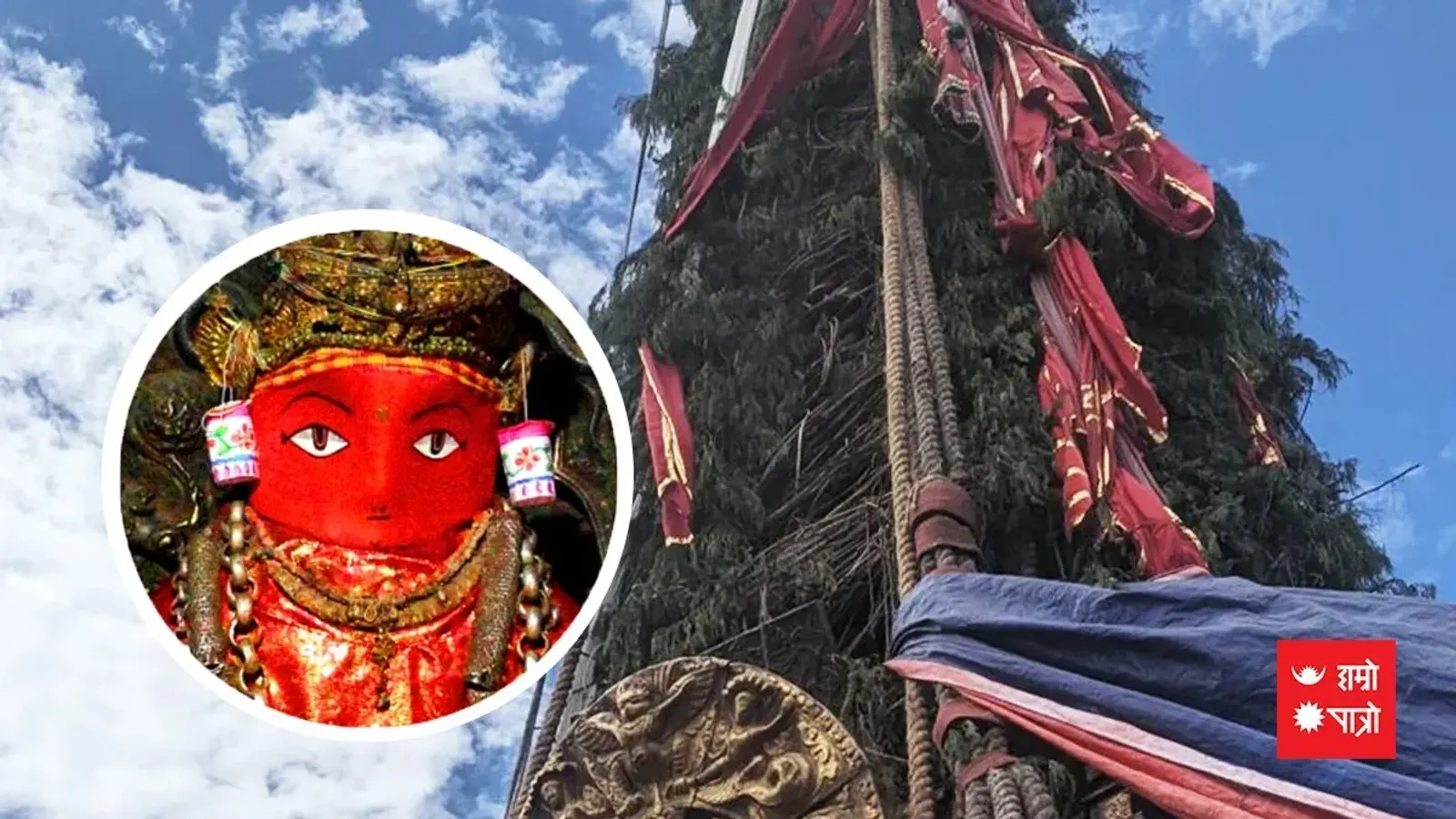
The Rato Machhindranath Jatra is a long religious procession that winds through various neighborhoods of Lalitpur. Traditionally, the chariot is pulled through Ga:bahal, Mangalbazar, Sundhara, Lagankhel, and Ititol, eventually reaching Jawalakhel. At each stop, special prayers, welcomes, and rituals are performed.
A Symbol of Religious Harmony
Machhindranath, known as "Bunga Dyah" in the Newar community, is a highly revered deity for both Hindus and Buddhists. Hindus worship him as an incarnation of Lord Shiva, whereas Buddhists revere him as Padmapani Lokeshvara (Avalokiteshvara). This dual reverence presents a unique example of the religious tolerance and coexistence found in Nepal.
Rituals and Craftsmanship
The journey begins with the creation of the deity's idol using clay from Mhepi Danda. Through specific religious rites, the spirit is invoked into the idol, followed by rituals such as the Mahasnan (Great Bath). These processes are carried out with the active participation of the community, reflecting a deep sense of collectivism and faith.
Conclusion of the Journey
Finally, Machhindranath is placed in a small palanquin and taken to Bungamati, where he rests for a certain period. Bungamati is considered the birthplace of Machhindranath, and his arrival there marks the completion of the entire journey.
Cultural Significance
The chariot procession of Rato Machhindranath is more than just a festival; it is a cultural heritage of Nepal where history, faith, tradition, and community converge. As a symbol of rain, prosperity, and coexistence, this festival continues to bind Nepali society together in unity.
International Day For Monuments and Sites
Exclusive audio
Tap to listen
International Day For Monuments and Sites 2026
In 1982, ICOMOS (International Council on Monuments and Sites) established April 18 as International Day For Monuments and Sites, after which UNESCO adopted the day at its 22nd General Assembly. Each year, on this occasion, ICOMOS offers a theme for its members, national and international scientific committees, working groups and partners, and all those wishing to celebrate this day.
Theme: "Emergency Response for Living Heritage in contexts of Conflicts and Disasters"
This emphasizes protecting living heritage—traditions, skills, and cultural practices during wars and natural disasters. It moves beyond saving physical buildings to prioritize the human element of history, ensuring that a community’s identity and knowledge survive even when their environment is in crisis. This "emergency response" approach views living culture as a vital tool for resilience and recovery.
World Heritage Sites
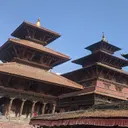
A World Heritage Site (UNESCO) is a landmark or territory protected by an international convention. World Heritage Sites are designated by UNESCO for cultural, historical, scientific or other significance. The sites contain "cultural and natural heritage from around the world that are considered to be of the greatest value to humanity".
The World Heritage site list in Nepal
Nepal is full of cultural and natural diversity. Nepal has 10 natural and cultural heritage sites which are listed as UNESCO World Heritage Sites.
Do you think enough attention is being given to the preservation of Nepal's cultural heritage?
These are:
Pashupatinath, Swayambhunath, Changunarayan, Kathmandu Durbar Square, Patan Durbar Square, Bhaktapur Durbar Square, Lumbini, Chitwan National Park and Everest National Park.
On World Heritage Day, many voices of heritage protection are raised around the world. This day is also important for the institutional practice of trying to bring back the idols and arts of our deities sold in the world market by smuggling. Lets protect the heritage from East Mechi to West Mahakali.
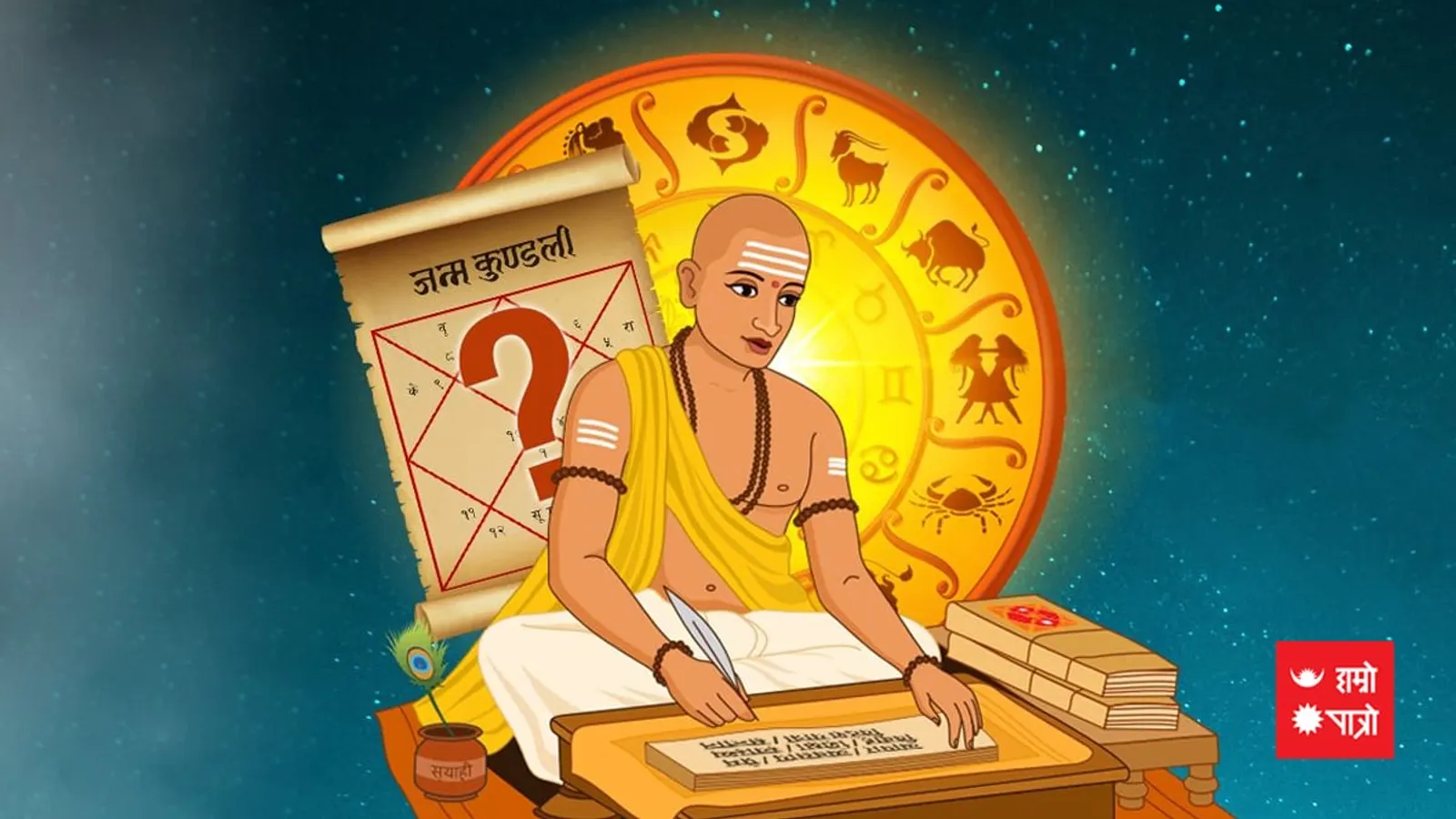
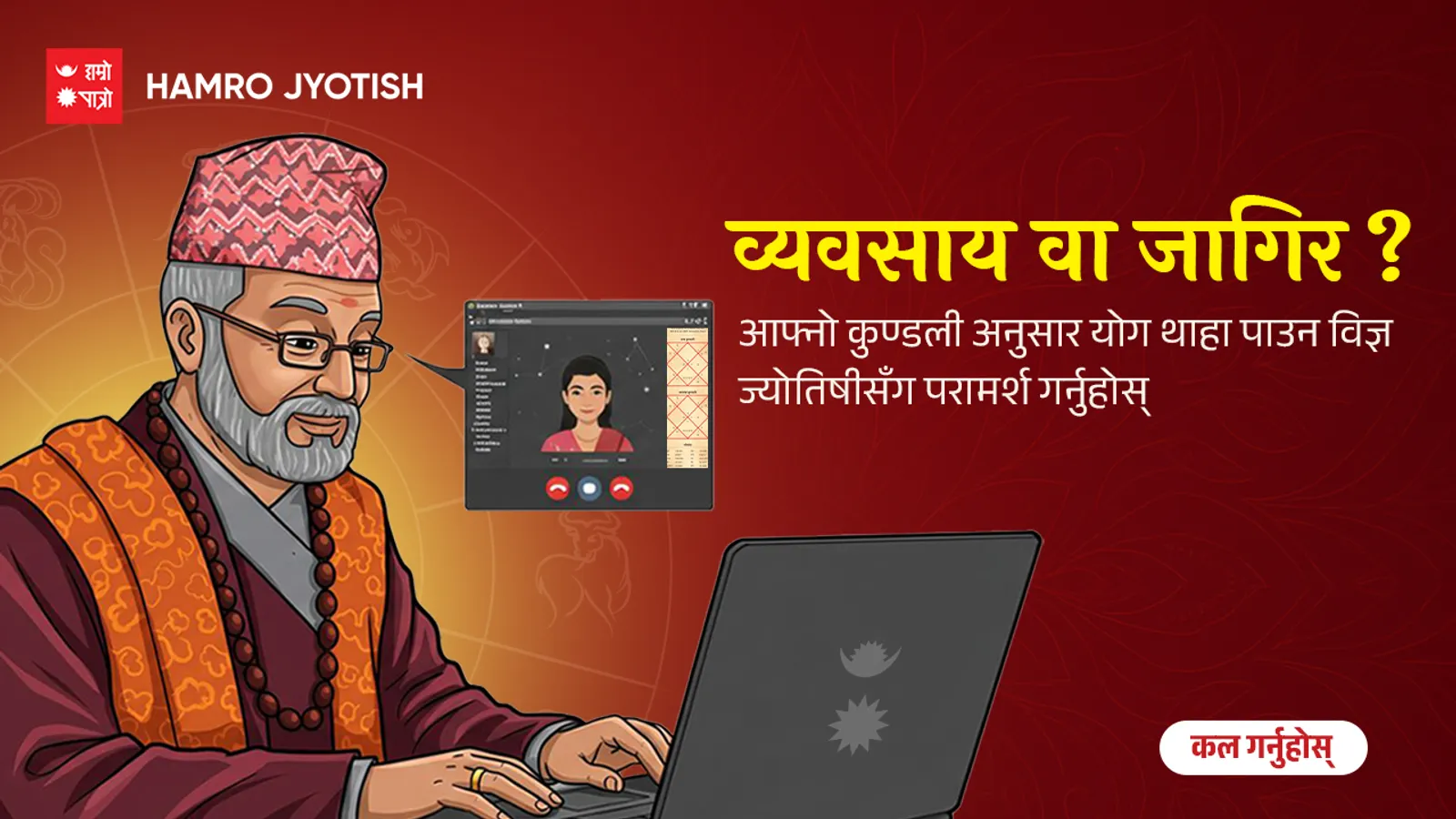
Astrology and Vastu Shastra are divine and enlightened legacies hidden within the womb of South Asian civilization and culture. These are not merely ancient disciplines; rather, they are scientific formulas that explain the subtle relationship between human life, nature, and the infinite universe. The South Asian Astrology Federation is the result of a shared resolve to protect, promote, and empower this glorious heritage alongside the footsteps of the modern era.
Today marks the 23rd South Asian Astrology Federation Day. This day serves as a bridge to bind astrologers, Vastu experts, and Tantra specialists scattered across the geography of South Asia into a single intellectual and emotional thread.
The foundation of the Federation rests on a noble vision: "To not keep ancient knowledge confined within the boundaries of traditional practice, but to define it through an organized, dignified, and scientific perspective." Embracing this ideal, the Federation has been broadening the horizons of knowledge through various international seminars, academic conferences, and training programs. Such activities have not only facilitated the exchange of wisdom but have also ignited new curiosity and trust in our original sciences among the younger generation.
This auspicious occasion of Foundation Day is an opportunity to look into the mirror of the past and paint a golden picture of the future. May this day provide every member with the energy to recommit themselves to their professional duties and social objectives.
Best wishes from Hamro Patro.






संतानको प्रगतिले मन प्रशन्न रहनेछ। कलात्मक र सिर्जनात्मक क्षेत्रमा प्रगति हुनेछ। समाजमा प्रभाव बढ्नेछ। स्वास्थ्य सबल रहनेछ। आजको शुभ रंग पहेलो हो भने शुभ अंक ४ रहेको छ।


