
Flood Affects 150,000 Citizens in Rasuwa, Nuwakot, Dhading; 25 Cases of Diarrhea Reported
english.ratopati.com · Fri Sep 11 08:41:25 GMT 2026
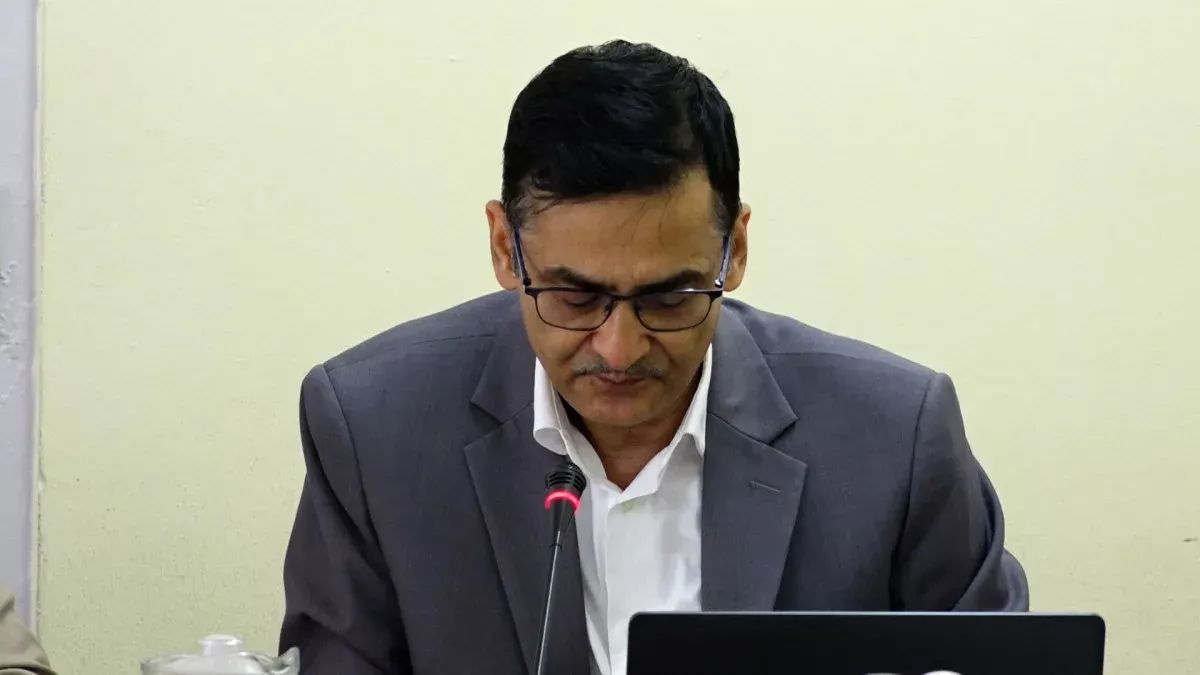
Kathmandu. An initial estimate suggests that about 150,000 citizens in districts including Rasuwa, Nuwakot, and Dhading were directly affected by the flood that occurred in the Bhote Koshi and Trishuli rivers in Rasuwa on Bhadra 10. The Ministry of Health and Food Hygiene stated that this number of people affected by the devastating flood was prepared based on data collected by the Bagmati Province Government and various government mechanisms. Secretary of the Ministry, Dr. Bikash Devkota, provided information about the estimation of the affected population while speaking at a meeting of the House of Representatives' Education, Health, and Information Technology Committee held at Singh Durbar on Friday. He stated that 25 people among those rescued from the affected areas and kept in holding centers have shown symptoms of diarrhea. He informed that no other major health problems have appeared. Emphasizing that the health sector has learned a significant lesson from the disaster, Secretary Devkota stressed the need to make future structures climate-resilient. He stated that the concept of building houses according to geographical conditions and temperature should be advanced and that the ministry is preparing plans related to it. He also emphasized that when constructing structures, the proximity of health facilities should be considered to ensure easy access to services in case of health problems. Speaking about the impact and data of the flood, he said, 'Our estimate is that there are 150,000 people in the flood-affected areas. Directly or indirectly, we are all facing some kind of problem.' Clarifying the data collection process, he added, 'We collected data through the provincial government and our channels. There might be some discrepancies.' Speaking about the health condition of the affected, he said, 'No cases of cholera have been found; 25 cases of diarrhea have been observed.' Speaking about future plans for climate-resilient structure construction, he said, 'We have learned many lessons from the current disaster. Now, the concept of 'climate-resilient structure' has emerged regarding what kind of geographical conditions and how houses built by the Ministry of Health will be constructed.' He further added about considering temperature and geographical diversity, 'The houses built in hot areas will be different from those built in cold areas. Now, all sectors need to think seriously about this matter.' Clarifying access to health facilities, he said, 'Now, when constructing houses, we need to consider what types of facilities are nearby when health-related problems arise.' Finally, he informed that the ministry is preparing a master plan with 'climate-resilient structures' for rehabilitation and reconstruction, and it will be presented to the committee once it is ready.
स्रोतमा पूरा पढ्नुहोस् (english.ratopati.com)