
Newari Community's Traditional 'Sukul Bhoj' Facing Decline
english.ratopati.com · Tue Sep 15 07:42:29 GMT 2026
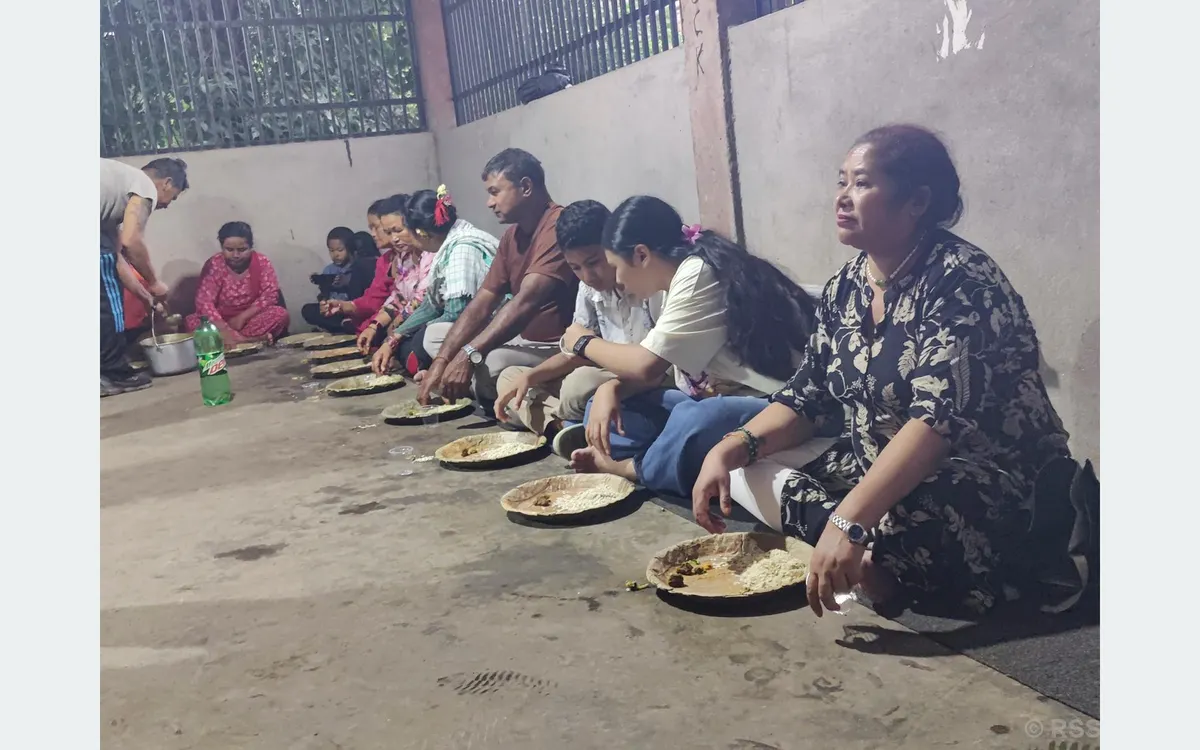
Bhaktapur. The Newar community is known for its festivals, jatras, unique traditions, and eating habits. This community has a tradition of eating together on a 'sukul' (straw mat) on various occasions almost every month. This traditional style, known as 'Sukul Bhwoy' in the Newari language, is gradually disappearing. The Sukul Bhoj is now limited to death rituals and Guthi feasts. Auspicious occasions like व्रतबन्ध (Bratabandha), बेलविवाह (Bel Bibaha), गुफा (Gufa), पास्नी (Pasni), and weddings are mostly organized in party palaces and modern halls. Chairs and tables have replaced the sukul. Culture researcher Ganesh Ranjitkar attributes the decline in Sukul Bhoj to changing lifestyles, increasing busyness, and modern attire. Sukul Bhoj requires sitting cross-legged for a long time and eating dishes sequentially. He believes the new generation is attracted to modern feasts because it is not comfortable to sit for long periods in modern outfits like one-piece dresses, skirts, gowns, and lehengas. It is estimated that this feast is becoming unpopular due to the long time it takes, the inability to pick and choose favorite dishes, and the lack of conversation with friends while eating. The main objective of this feast, where various dishes are eaten sitting in rows on a sukul made of straw, is to enhance mutual intimacy among family and relatives. According to cultural expert Purushottamlochan Shrestha, Sukul Bhoj is now mostly seen in the Newar community's death rituals, such as Nhenu (on the 7th day), Latya (on the 45th day), Khula (on the 6th month), Dakila (on the first year), and annual death rituals. Cultural experts say that the disappearance of Sukul Bhoj also signifies the weakening of social and cultural practices. Culture enthusiast Satyam Suwal believes that to keep the tradition alive, the new generation must be made to understand its importance and participate. He notes that this tradition has already disappeared in the Newar settlements of Kathmandu and Lalitpur and expressed concern that if the new generation in Bhaktapur is not made to understand it, it will be limited to history in the future. According to local Keshav Twanabashu, feasts used to be held for a week by erecting tents in courtyards and on roads, but that has now disappeared. In Sukul Bhoj, after sitting in rows (Jhwah Bway), dishes like beaten rice, chhyapi, soybeans, greens, potato-bamboo shoot curry, and meat are served in order. There is a rule that no one can eat until all dishes are served and the person in the upper row has eaten, and no one can leave until all dishes have been served. This traditional Newari feast is considered healthy due to the balanced combination of various grains, legumes, vegetables, meat, and yogurt. In ancient times, to eliminate discrimination between the rich and the poor while dining, Malla kings and contemporary cultural experts made a rule that everyone must sit in rows on a single long straw mat. It is a legend that 'Sukul Bhoj' originated from the feeling of social equality and intimacy, where the king, minister, rich, or poor all had equal status after sitting on the sukul.
स्रोतमा पूरा पढ्नुहोस् (english.ratopati.com)