
The reconciliation we still owe B.P. Koirala
english.onlinekhabar.com · Wed Jul 22 05:07:15 GMT 2026
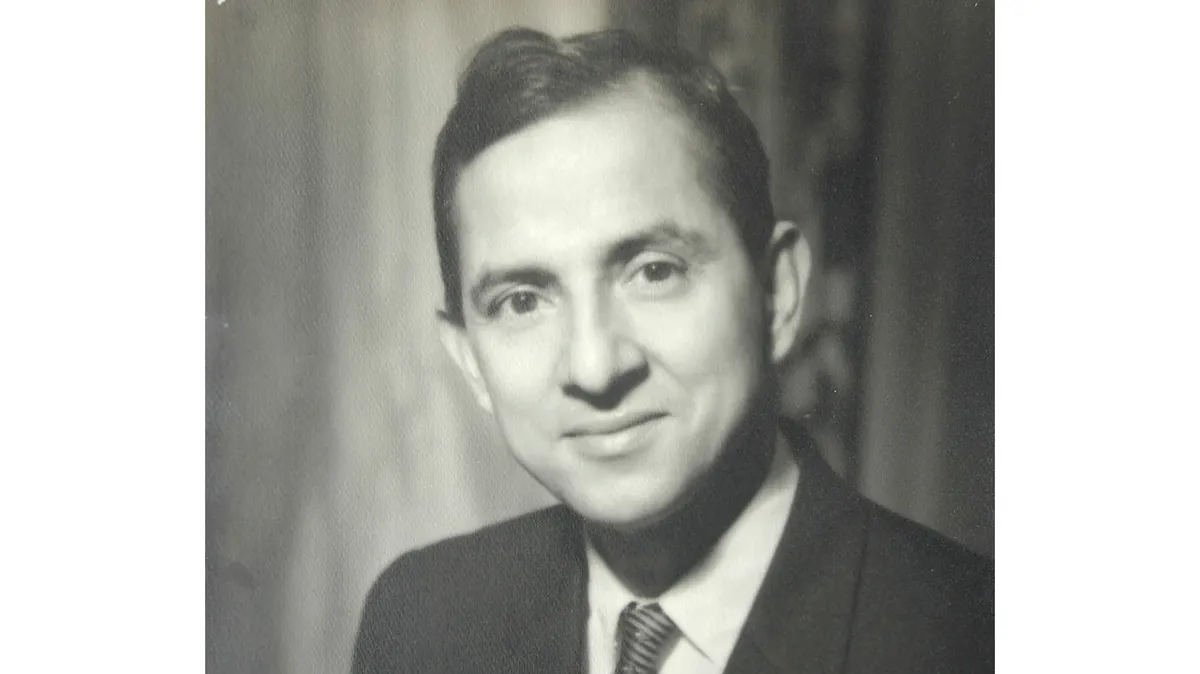
Today, on Shrawan 6, Nepal marks the forty-fourth anniversary of the death of Bishweshwar Prasad Koirala. It comes at an unusually painful moment for the party he founded: a Nepali Congress reduced to thirty-eight seats in the House of Representatives; its president defeated in his own constituency; a widening divide between its old guard and a younger generation pressing for change, each drawing sharply different lessons from the same electoral debacle; and the word split uttered within its ranks with a seriousness it has not carried in years. Moments like these naturally invite political parties to seek refuge in the memory of their founders. Institutions in decline often invoke those who established them, less as standards by which to judge themselves than as sources of borrowed legitimacy. The temptation is understandable. But it is also misleading. B.P. Koirala deserves better than to be quoted. He deserves to be read.
To read Koirala is to discover something more demanding than the familiar outline of his life—an outline so familiar it has almost become political furniture: the revolutionary who helped end a century of Rana oligarchy; Nepal’s first democratically elected prime minister; the leader whose government King Mahendra overthrew in 1960; the prisoner who spent nearly eight years in detention rather than recant; the exile who, through those years, continued to write political essays, prison memoirs, and novels of remarkable literary quality, revealing a mind as interested in the complexities of human character as in the exercise of political power. Yet the outline conceals what made him exceptional. Koirala did not confuse steadfastness with rigidity. The same leader who refused to bend during years of imprisonment later undertook the one political act many of his own followers found harder to understand than his resistance itself: he sought reconciliation with the very monarchy that had overthrown his elected government and imprisoned him. That decision revealed the defining quality of his statesmanship—not reconciliation as a virtue in itself, but the political judgment from which it arose.
स्रोतमा पूरा पढ्नुहोस् (english.onlinekhabar.com)