
The Inevitable End of Monarchy in Nepal
english.ratopati.com · Thu Jul 23 03:04:48 GMT 2026
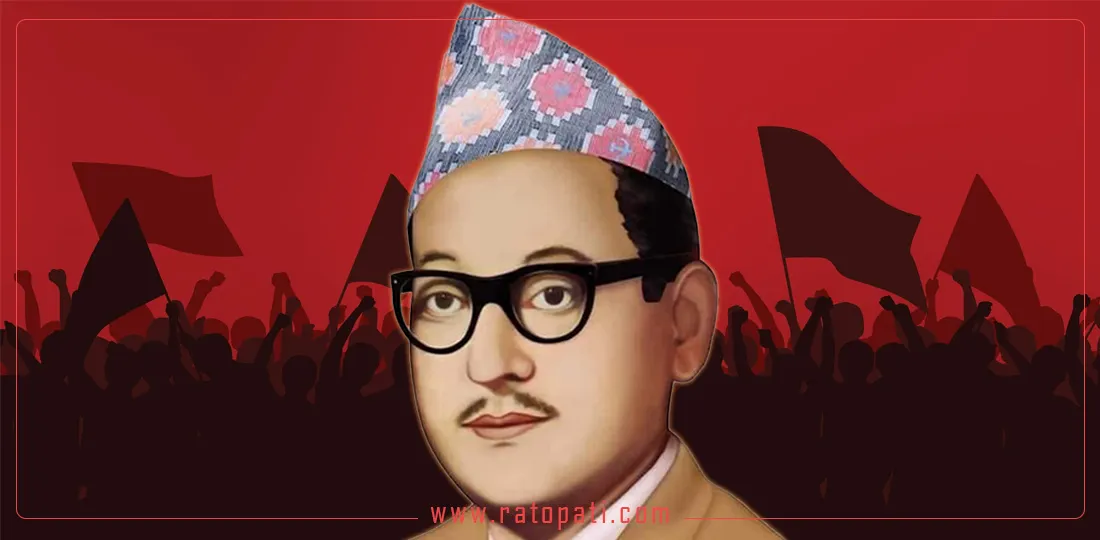
Before delving into the argument and facts that the future of monarchy in Nepal is bleak and its end is inevitable, it is necessary to briefly consider what the political, economic, and social system of Nepal was like during the Rana period.
On one hand, the Rana family, who came to power under the umbrella of British imperialism, and their sycophants, who wiped out all their feudal rivals and even brought the king under their control, seized most of the land in Nepal. Nepal's largest landowners were primarily found in the Terai region. Thus, we see the rise of a powerful landowning class in Nepal. This feudal class also had the right to punish peasants with fines and beatings, and even imprison them for up to 15 days. The peasant community was also rapidly transforming into four class levels - rich, middle, poor, and landless. The poor and landless peasants, especially those from tribal and untouchable communities, were becoming serfs on one hand, and on the other hand, were being forced to seek employment in the British Gurkha regiments and in countries like India and Burma. It is clear that at the same rate at which peasants were being deprived of their land, they were also being forced to leave their country. Thus, the wealth earned by going abroad and toiling with their blood and sweat had to be deposited in the homes of feudal, deceitful, corrupt officials upon reaching their villages and towns. Consequently, the contradiction between the feudal lords and the peasants was increasing.
स्रोतमा पूरा पढ्नुहोस् (english.ratopati.com)