
Electricity Regulatory Commission Issues New Directive for Transparent Tariff Setting
english.ratopati.com · Thu Aug 06 16:57:35 GMT 2026
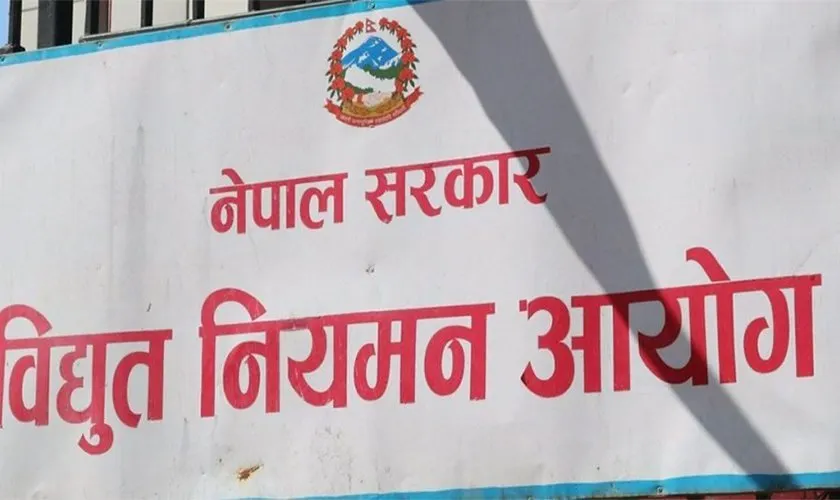
Kathmandu. The Electricity Regulatory Commission has issued a new directive to make the electricity consumer tariff determination process fully cost-based and transparent. Exercising the authority of the Electricity Regulatory Commission Act, 2074, the commission has issued a new directive with the objective of determining a cost-based, consumer-friendly, accessible, and transparent tariff rate. The Electricity Consumer Tariff Determination Directive, 2076, has been abolished with the new directive. However, arrangements have been made to consider actions taken under the old directive as having been done according to the new directive. The new directive has made clear provisions regarding the process that electricity distribution license-holding entities, Nepal Electricity Authority, must adopt when determining tariffs, the return on investment, and the protection of consumer rights. Cost-Based Tariff System The tariff determination from now on should be based on the annual required income. The tariff should be set by adding the actual cost of transmission, distribution, and generation, employee expenses, depreciation, loan interest, and a fair return. This will prevent electricity entities from arbitrarily showing expenses and increasing tariffs. The directive has set the maximum limit of return on equity investment for various sectors of the electricity business. The maximum limits are 16 percent for generation, 15.5 percent for transmission, and 16.5 percent for distribution. In distribution, an additional return of up to 1 percent can be given if the target for reducing leakage is met, thereby encouraging efficiency. Public Hearing Mandatory A public hearing must now be mandatorily conducted before determining the tariff. The commission must provide public information through national daily newspapers and its website within 15 days of receiving the tariff determination proposal. The final tariff rate will be determined only after considering the opinions and suggestions given by stakeholders. Debt and Equity Ratio The directive states that the debt and equity ratio for investment in new projects or capacity expansion will be maintained at 70:30. Even if a company invests more than 30 percent of its equity, only 30 percent will be considered as the basis for tariff purposes. Tariff Adjustment and Regular Review According to the directive, distribution license-holding entities can apply for tariff review every year. However, there is a provision that a tariff determination application must be submitted at least once every three years. The difference between the actual financial statements and projected data will be reconciled through tariff adjustment. Application Process and Fee Entities wishing to implement a new tariff rate must submit an application to the commission at least 120 days before the start of the fiscal year. A fee of Rs 25,000 will have to be paid when submitting an application for tariff determination or review. The main principle of the directive is to protect consumer rights. This directive has paved the way for mobilizing investment for system improvement by ensuring regularity, quality, and safety in electricity supply. Abolition of Old Provisions With the implementation of this directive, the Electricity Consumer Tariff Determination Directive, 2076, has been abolished. However, a saving provision has been made to consider actions already taken under the old directive as having been done according to this directive. This step by the commission is expected to establish good governance in the electricity sector and ensure that consumers receive electricity at a fair price based on actual costs.
स्रोतमा पूरा पढ्नुहोस् (english.ratopati.com)