
Life-Saving Medicines Face Severe Shortage Across Nepal
english.ratopati.com · Thu Aug 13 04:45:00 GMT 2026
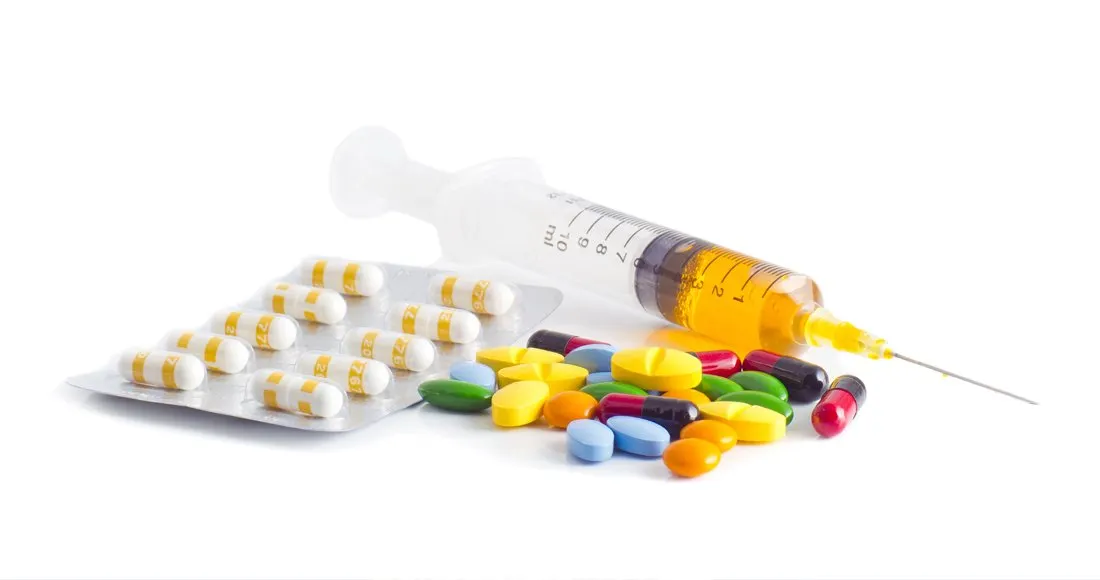
Kathmandu. The lives of patients are at risk due to a severe shortage of life-saving and essential medicines across the country, stemming from long-term supply chain management issues and the government's inability to expedite procurement processes in a timely manner. Despite the ongoing medicine crisis, the Ministry of Health and Population has failed to take effective and concrete initiatives to ease the supply of medicines. Stakeholders point out that the Ministry of Health appears indifferent to the emergency health crisis, limiting itself to temporary measures like 'reverse pooling' – transferring medicines from one location to another – in the name of managing the medicine shortage. Patients are suffering due to the lack of easy access to critical medicines such as 'anti-snake venom' used for snakebite treatment, and 'cisplatin' and 'carboplatin', essential for cancer chemotherapy. These medicines, which are scarce in the market, are typically imported from countries including India. There is an extreme shortage of 'anti-snake venom' used for snakebite treatment in hospitals and health institutions nationwide. According to the Epidemiology and Disease Control Division under the Department of Health Services, there are only enough 'anti-snake venom' stocks remaining to treat two thousand affected individuals. Following the shortage of anti-snake venom, which is crucial for saving lives after snakebites, Narayani Hospital issued a notice last Monday asking snakebite patients to seek treatment elsewhere. The notice apologized to patients for the unavailability of the anti-snake injection ASV. On August 3rd, the treatment of snakebite patients was affected due to a shortage of anti-snake venom in hospitals and snakebite treatment centers in Dang. Anti-snake venom had run out at Rapti Health Sciences Institute, Lamahi Hospital, and the snakebite treatment center in Gadhawa. On August 5th, Health Minister Nisha Mehta informed the House of Representatives that there were 1,269 vials of anti-snake venom in stock for snakebite treatment. She stated, 'Currently, there are a total of 1,269 vials of anti-snake venom in stock across the country, including 138 in the central store, 444 in provincial health supply centers, and 465 in snakebite treatment centers under health offices.' However, the Department of Health Services claims there are currently 2,419 vials of anti-snake venom in stock. According to Health Minister Mehta, the available 1,269 vials of 'anti-snake venom' can technically treat eight hundred and fifty snakebite patients. A procurement agreement for 13,200 vials of anti-snake venom required for snakebite treatment has already been made through the Department of Health Services. Although Health Minister Mehta stated that the vaccine is in stock, patients are not able to easily access the anti-venom snake vaccine. Dr. Amrit Pokhrel, Chief of the Zoonotic and Other Communicable Diseases Control Section under the Epidemiology and Disease Control Division of the Department of Health Services, said that medicines are being sent from locations with higher stock to hospitals, health institutions, and centers with less anti-snake venom. He said, 'If one hundred people are bitten by a snake, only ten to twelve show symptoms of poisoning. Vaccination is necessary for those showing symptoms of poisoning.' Pokhrel informed that the available anti-snake venom is sufficient for two thousand people. He also mentioned that the 'reverse pooling' system is being implemented for vaccine management. Prof. Dr. Manohar Pradhan, Chief Expert Advisor to the Health Minister, stated that the shortage of anti-snake venom in Nepal is due to high demand in India itself. He claimed that this vaccine would be readily available within the next week. The Ministry of Health has stated that it has implemented the reverse pooling (redistribution) system to effectively manage the available anti-snake venom. Under this system, vaccines are being distributed from centers with current stock to centers facing shortages, according to the Ministry of Health. The Ministry of Health claims that repeated reminders have been issued to the concerned suppliers to expedite the supply, and it is expected to be supplied by the end of August. 'Carboplatin' and 'cisplatin', used for cancer treatment, are still not readily available. The market shortage of essential medicines like 'carboplatin' and 'cisplatin' used in cancer treatment is due to the fact that they have to be supplied based on the minimum price list published in the gazette 12 to 18 years ago. As international market prices have increased, government hospital pharmacies are unable to purchase these medicines through tenders at the specified old rates, affecting patient treatment, while private sectors are selling them at higher prices. Although the government has proposed to adjust medicine prices, the process has not yet moved forward. Pawan Acharya, President of the Medicine Importers Association, stated that medicines like 'carboplatin' and 'cisplatin' are still not easily available. Acharya said, 'We have repeatedly requested the government. Although proposals to adjust medicine prices have moved forward after meetings of the price monitoring committee, it is still uncertain when the Medicine Consultative Council meeting will be held. The medicine sector does not seem to be a priority for the government. We are awaiting the government's decision.' On June 22nd, Health Minister Mehta had stated in a House of Representatives meeting that the Medicine Consultative Council meeting would be held within a week regarding the adjustment of medicine prices. Nearly two months have passed since she made this statement in parliament, yet it remains uncertain when the council meeting will be held. Prof. Dr. Pradhan, Chief Expert Advisor to the Health Minister, informed that preparations are underway to procure platinum-class medicines through the government-to-government (G2G) channel. He said, 'The international price of platinum-based medicines has increased. Therefore, preparations are being made to procure medicines through the G2G process in a way that does not inconvenience patients.' The Department of Health Services has stated that 190,000 vials of vaccine used against rabies have been distributed to all provinces. Health Ministry officials say that the shortage of anti-rabies vaccine is due to an increase in the number of vaccine recipients compared to the vaccine purchased in the last fiscal year. In the last two months, nine people died nationwide due to Japanese encephalitis. The World Health Organization classifies Japanese encephalitis as a highly risky and fatal disease among vector-borne diseases. Health experts believe that if infected citizens can be brought within the reach of vaccination, the resulting human casualties and the spread of infection can be immediately halted. Although vaccination campaigns are the most effective means to prevent infection, the Ministry of Health does not seem to have allocated sufficient budget for the easy availability of vaccines. Due to the lack of adequate budget, it is difficult to supply vaccines in a timely manner to high-risk areas and deliver them to the general public, which further increases the risk of Japanese encephalitis. Experts believe that even if citizens are vaccinated, deaths and widespread infection can be significantly prevented.
Details of Medicine Shortage Being Collected
स्रोतमा पूरा पढ्नुहोस् (english.ratopati.com)